


How to Care for the Uterus After Dilation and Curettage (D&C)
Aug 24, 2022
Source: Cainiu Health

Dr. Lv Aiming
Introduction
After uterine curettage, patients are advised to enhance their nutrition, keep the abdomen warm, avoid cold, spicy, or irritating foods, and engage in appropriate physical activity to facilitate the expulsion of intrauterine retained tissue. Following uterine cavity cleansing, antibiotics—such as metronidazole, amoxicillin, or ceftriaxone sodium—must be administered under a physician’s guidance to prevent intrauterine infection. Appropriate physical activity is recommended, and medications such as Leonurus japonicus (Yimucao) preparations or Xinshenghua granules may be prescribed.
The uterus is a vital organ in the female body, and proper care should be maintained routinely. When a medical abortion is incomplete, a dilation and curettage (D&C) procedure is required—causing significant physical discomfort to the patient. So, how should one care for the uterus after D&C?
Post-D&C Uterine Care
After D&C, patients are advised to enhance their nutritional intake, keep the abdomen warm, and avoid cold, spicy, or otherwise irritating foods. Appropriate physical activity is also recommended to facilitate the expulsion of any remaining intrauterine tissue. Following uterine cavity cleansing, antibiotics—such as metronidazole, amoxicillin, or ceftriaxone sodium—should be taken under a physician’s guidance to prevent intrauterine infection. Light physical activity is encouraged, and herbal remedies such as Leonurus japonicus (Yimucao) or Shenghua Granules may be taken to promote blood circulation and resolve blood stasis, thereby aiding the expulsion of residual tissue and reducing the risk of intrauterine infection caused by prolonged retention.

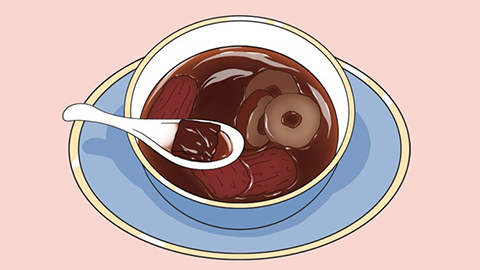
After D&C, patients should prioritize bed rest and avoid strenuous exercise; however, light ambulation is encouraged to promote uterine blood flow and facilitate the expulsion of residual material. During this period, maintaining warmth, consuming a light diet, and ensuring adequate nutrition are essential. Nutrient-rich foods and beverages—including moderate amounts of brown sugar water, ginger tea, milk, and egg yolk—can help strengthen overall health and boost recovery. Additionally, prophylactic antibiotics—such as metronidazole or tinidazole—may be prescribed to support uterine contraction and prevent infection.
Patients are advised to consume ample vegetables and fruits to replenish nutrients, prevent constipation, and support uterine recovery. We hope this information proves helpful.


