


What are multiple Nabothian cysts of the cervix?

Some women frequently experience back pain and abnormal vaginal discharge in daily life—symptoms that may actually stem from gynecological conditions such as cervical cysts. Generally, if the condition is mild, no specific treatment may be required for the time being; however, treatment becomes necessary when multiple cysts are present. So, what exactly are multiple cervical Nabothian cysts?
What Are Multiple Cervical Nabothian Cysts?
Multiple cervical Nabothian cysts may arise from chronic inflammatory stimulation, among other causes. Prolonged chronic inflammation—such as that occurring postpartum when a woman’s body is weakened—can repeatedly trigger edema and hyperemia (increased blood flow) in cervical tissue. Inflammatory cell infiltration and fibroblastic proliferation of connective tissue subsequently occur, leading to cervical hypertrophy. In severe cases, the cervix may enlarge to more than twice its normal size, ultimately resulting in cervical cyst formation.
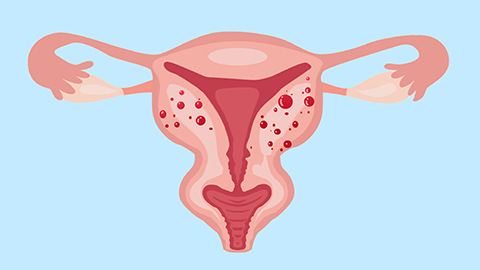
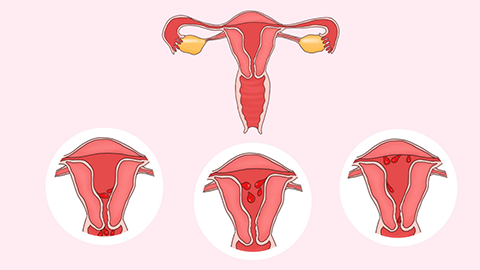
Cervical cysts—also known as cervical glandular cysts or Nabothian cysts—are a manifestation of chronic cervicitis. Similar to cervical erosion, during the healing process, newly regenerated squamous epithelial cells may cover the openings of cervical glands, potentially obstructing them. Additionally, scarring and hyperplasia of the connective tissue surrounding the glandular ducts can compress the ducts, thereby blocking them and impeding the normal drainage of glandular secretions—ultimately leading to cyst formation. The primary clinical sign is the presence of variably sized, fluid-filled cysts on the cervical surface. Small lesions typically require no special intervention; however, larger cysts—approximately 4 cm in diameter—accompanied by bleeding warrant appropriate medical treatment.
Patients are advised to maintain strict genital hygiene during sexual intercourse. We hope this information proves helpful.


