


Which uterine position—anteverted (forward-tilted) or retroverted (backward-tilted)—shows fetal growth earlier?

During pregnancy, an anteverted uterus (uterus tilted forward) and a retroverted uterus (uterus tilted backward) represent two distinct positional states of the uterus. So, which position—anteverted or retroverted—makes the baby bump more noticeable?
Which Position Makes the Baby Bump More Noticeable: Anteverted or Retroverted Uterus?
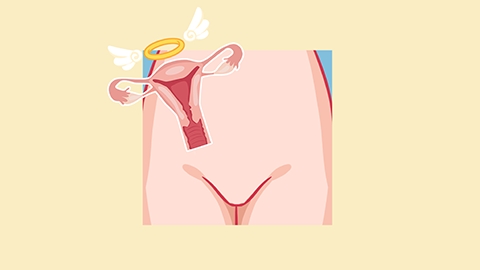
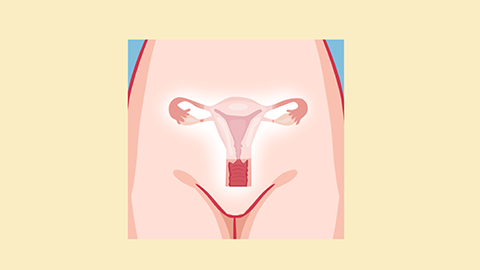
Women with an anteverted uterus typically show earlier in pregnancy. However, anteverted, retroverted, or horizontal uterine positions are all normal anatomical variations during pregnancy. Whether or not a woman “shows” early is not determined solely by uterine position; it also depends on factors such as maternal height, individual body composition, conception circumstances, and mode of conception. The uterus’s position is primarily maintained by uterine ligaments, pelvic floor muscles, and fascia. Specifically, the round ligaments—located anteriorly—help maintain the uterus’s natural anteversion and anteflexion. Consequently, women with an anteverted uterus often exhibit a more pronounced abdominal protrusion earlier in pregnancy.
In daily life, pregnant women should pay close attention to their nutritional intake. They are encouraged to consume ample fresh vegetables, fruits, milk, eggs, and other nutrient-rich foods. Ensuring adequate nutrition for the developing fetus supports its healthy growth and development. Additionally, moderate physical activities—such as brisk walking or prenatal yoga—can contribute significantly to both maternal and fetal well-being.
Regular prenatal check-ups are essential throughout pregnancy. Expectant mothers should adhere strictly to the standard schedule and protocol for antenatal care. Self-directed or irregular scheduling of prenatal visits may result in missed critical assessments. We hope this information has been helpful. Wishing you excellent health and a joyful pregnancy!


