


What causes the absence of menstruation for several months?

First, pregnancy must be ruled out. Menopausal treatment should then be tailored according to its underlying cause. If menopause-like symptoms are due to pregnancy, diagnosis can be confirmed via urine or blood tests. If the cause is endocrine dysfunction, a panel of six female endocrine hormone assays should be performed to identify the specific hormonal imbalance, and appropriate medications should be prescribed based on the patient’s hormone levels. So, what could cause several months of absent menstruation?
What Causes Several Months of Absent Menstruation?
Several months of amenorrhea (absence of menstruation), in the absence of pregnancy, may result from endocrine imbalance. Environmental changes, work-related stress, or emotional fluctuations can disrupt endocrine function, leading to prolonged menstrual absence. Blood testing for six sex hormones is recommended, followed by targeted hormonal regulation based on the results. Additionally, polycystic ovary syndrome (PCOS) may present with prolonged amenorrhea, weight gain, and hirsutism. Pelvic ultrasound is advised to assess whether both ovaries exhibit polycystic morphology, and prompt management should follow based on findings. Prolonged occupational stress, environmental changes, sudden cold exposure, or acute emotional trauma may also contribute.
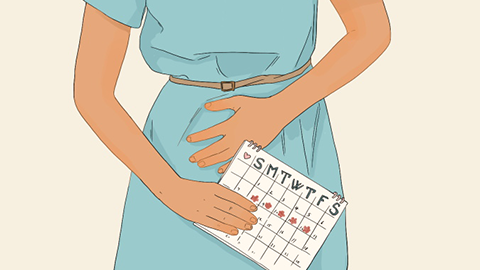
Moreover, even if a woman previously experienced regular monthly periods but now suddenly develops several months of amenorrhea—without any other noticeable symptoms—she should still seek comprehensive medical evaluation. Initially, pelvic ultrasound is recommended to assess the uterus and adnexa for structural abnormalities. If ultrasound findings are normal, a six-hormone sex hormone panel should be performed, primarily to rule out premature ovarian insufficiency (POI).

In daily life, maintain a regular, balanced diet; avoid spicy, stimulating, or excessively rich foods; refrain from binge eating; and ensure adequate sleep—avoiding late-night activities. We hope this information proves helpful.


