


Can congenital absence of the uterus be treated?

The uterus and cervix are vital organs in females and play a crucial role in reproductive health. In daily life, it is essential to protect these organs to maintain overall physical well-being. So, can congenital absence of the uterus be treated?
Can Congenital Absence of the Uterus Be Treated?
Congenital absence of the uterus is generally not treatable. It is a type of congenital developmental anomaly resulting primarily from abnormalities in the paramesonephric (Müllerian) ducts during embryonic development. There is no specific treatment available. Women with this condition do not experience menstruation and are infertile. However, if the vagina is anatomically normal, they can engage in regular sexual intercourse. If ovarian development is present, the ovaries will begin secreting estrogen and progesterone at puberty, thereby supporting normal female physiological functions.
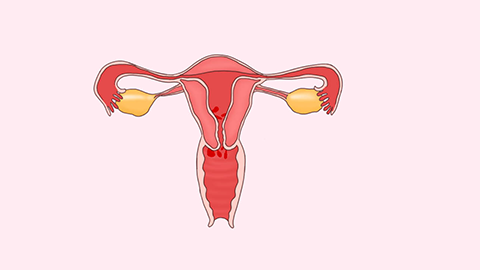
Congenital absence of the uterus arises from malformations occurring during embryonic development. The uterus cannot develop postnatally; moreover, most cases of congenital uterine agenesis are accompanied by vaginal agenesis. If sexual intercourse is possible, surgical creation of a neovagina may be an option. If sexual intercourse is not feasible, this suggests a more severe anatomical abnormality. A thorough medical evaluation at a hospital is recommended to determine whether surgical correction is possible.
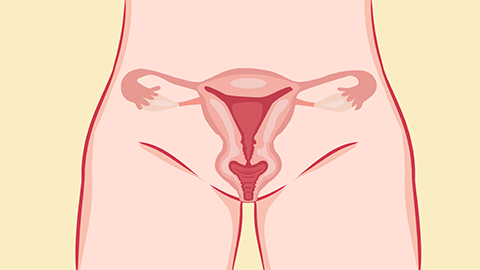
Surgical intervention may improve the patient’s specific clinical situation, but the appropriateness and feasibility of surgery must be determined on an individual basis. We hope this response has been helpful.


