


How to Care for the Ovaries After a Total Hysterectomy

The uterus is an essential reproductive organ for women and a cornerstone of their health—yet it is also highly susceptible to disease. Once pathology develops, many patients must undergo hysterectomy to safeguard their health. However, for women, a total hysterectomy can significantly impact overall health. So, how should the ovaries be cared for after a total hysterectomy?
How to Care for the Ovaries After Total Hysterectomy
After total hysterectomy, women should cultivate healthy daily habits: avoid staying up late, minimize anxiety, and refrain from smoking or excessive alcohol consumption. Incorporate foods rich in phytoestrogens—such as soy milk and royal jelly—into the diet, as these may help support ovarian function. If clinical symptoms arise, consult a physician for appropriate pharmacological treatment; self-medication should be strictly avoided to prevent adverse effects on ovarian function.
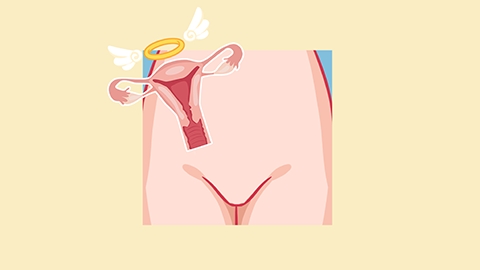
Postoperatively, adequate nutritional support is crucial. Avoid spicy, cold, and stimulating foods. Maintain regular sleep-wake cycles, ensure sufficient rest, foster a positive mood, and avoid both sleep deprivation and prolonged low spirits. Should any physical discomfort occur, do not self-prescribe medications; always seek guidance from a healthcare provider. Refrain from smoking and alcohol consumption. Minimize exposure to radiation in daily life—limit prolonged use of electronic devices such as mobile phones and computers. Even after surgery, routine gynecological examinations and pelvic ultrasounds remain essential. Any abnormalities detected should be addressed promptly.
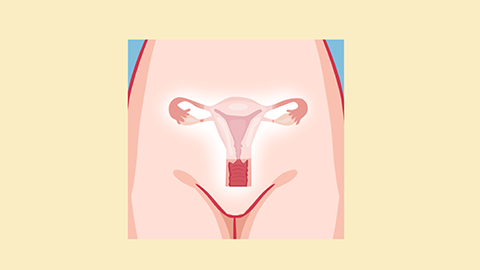
In daily life, maintain disciplined dietary habits: avoid spicy and irritating foods, and never overeat or binge. Prioritize consistent sleep schedules. We hope this information proves helpful.


