


Does a thick uterine wall facilitate pregnancy?

Endometrial hyperplasia requires prompt treatment due to its significant health risks. In fact, many women experience gynecological disorders in daily life, which may ultimately lead to endometrial hyperplasia and dysfunction. Therefore, appropriate and timely treatment is essential to effectively prevent disease progression. So, does a thickened uterine wall facilitate pregnancy?
Does a thickened uterine wall facilitate pregnancy?
A markedly thickened endometrium generally hinders conception. To assess fertility potential, one should first observe menstrual patterns and measure endometrial thickness. A normal endometrium typically measures 7–10 mm and fluctuates throughout the menstrual cycle. Abnormal endometrial thickening is often associated with elevated estrogen levels; thus, treatment prior to attempting pregnancy is strongly recommended—otherwise, embryo implantation may be adversely affected. Endometrial hyperplasia can also trigger menstrual irregularities, leading to heavy postmenstrual bleeding and poor hygiene control. Such disturbances may disrupt the menstrual cycle and impair follicular development. If ovulatory function is compromised, natural conception becomes less likely.
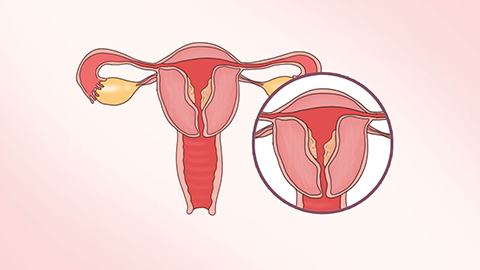
Whether pregnancy is possible with an increased uterine wall thickness depends on the specific degree of thickening. Under physiological conditions, moderate endometrial thickening supports conception. However, pathological thickening may impede pregnancy. Physiological endometrial thickening occurs during the secretory phase, when the endometrium thickens under the influence of the corpus luteum in preparation for potential pregnancy; normally, this physiological thickening does not exceed 12 mm. In contrast, pathological endometrial thickening reflects hormonal imbalance—particularly dysregulation of estrogen and progesterone—which may adversely affect both endometrial receptivity and ovulation.
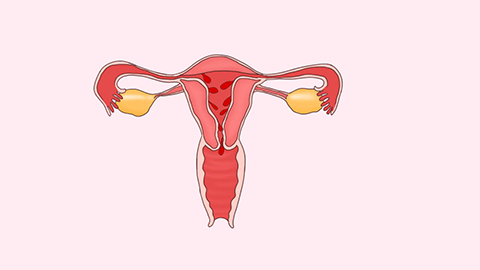
Patients are advised to maintain healthy lifestyle habits, ensure adequate warmth, follow a balanced diet, and avoid spicy or irritating foods. We hope this information proves helpful.


