


How Can a Woman with an Anteverted Uterus Conceive More Easily?

With growing public awareness of eugenics, many women visit hospitals for comprehensive preconception checkups to prepare for pregnancy. However, they often lack a clear understanding of medical terminology in their reports—such as “anteverted” and “retroverted” uterus. So, does an anteverted uterus facilitate conception?
How Does an Anteverted Uterus Facilitate Conception?
Conception may be facilitated in women with an anteverted uterus by optimizing coital positioning. Because the anteverted position places the uterus in a more favorable orientation for sperm–egg interaction, women with this anatomical configuration generally have higher conception rates. To further enhance fertility success, intercourse is best timed around ovulation. The standard missionary position—with the woman lying beneath the man—is recommended. Finally, elevating the woman’s legs onto her partner’s shoulders after intercourse may help promote sperm transport toward the cervix and improve chances of fertilization. Although an anteverted uterus represents a normal anatomical variant—and one that is generally conducive to conception—it may predispose women to vaginal bleeding during late pregnancy. Therefore, women with an anteverted uterus should still undergo regular prenatal examinations after conception to prevent potential complications.
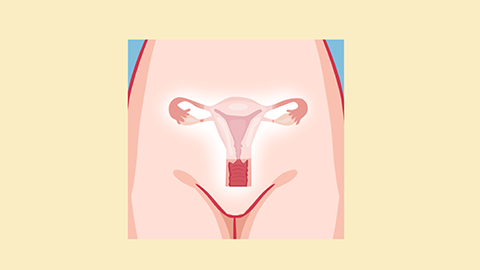
Secondly, based on its position within the pelvic cavity, the uterus is typically classified as anteverted (forward-tilted), retroverted (backward-tilted), or mid-positioned (neither markedly forward nor backward). An anteverted uterus refers to a uterus whose cervix is relatively low and tilted slightly forward—a completely normal anatomical variation. In such cases, semen is more readily retained near the cervical os following intercourse, thereby facilitating sperm migration toward the fallopian tubes and increasing the likelihood of encountering the egg during ovulation. Consequently, women with an anteverted uterus tend to have higher conception probabilities during their fertile window.

In daily life, maintain a balanced diet—avoid spicy, stimulating, or overly rich foods, and refrain from binge eating or staying up late. We hope this information proves helpful.


