


Can moxibustion be performed during menstruation?

You’ve likely heard of moxibustion therapy. As people gain deeper understanding of Traditional Chinese Medicine (TCM), many instinctively turn to moxibustion for treating certain conditions. However, some individuals know very little about it—potentially causing harm to their own bodies through improper use. So, can moxibustion be performed during menstruation?
Can moxibustion be performed during menstruation?
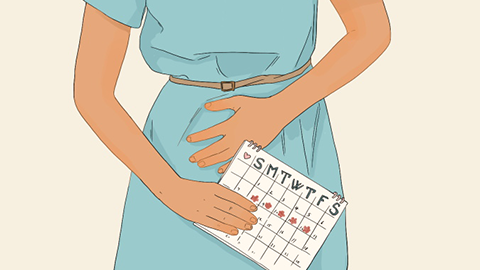
Moxibustion is generally not recommended during menstruation. During treatment, local warmth is typically maintained, and moxibustion functions to invigorate blood circulation, resolve blood stasis, and unblock the meridians. If applied during menstruation, its blood-activating effect may increase menstrual flow or prolong the duration of menstruation—especially when moxibustion is applied to the lower abdomen or lower back, where the increase in menstrual bleeding may become even more pronounced. To avoid exacerbating bleeding, it is best to avoid moxibustion, cupping, and other similar physical therapies during menstruation.
Moxibustion offers numerous benefits for women. For instance, scanty menstruation may result from cold-dampness or damp-heat. In such cases, acupoints including Sanyinjiao (SP6), Shenque (CV8), and Zusanli (ST36) are commonly selected for moxibustion. Patients should maintain a positive mindset, actively cooperate with their physicians, take prescribed medications on time and in correct dosage, and pay attention to daily self-care—thus facilitating prompt improvement of symptoms.

In daily life, cultivate healthy lifestyle and dietary habits: avoid staying up late and refrain from consuming spicy foods. We hope this response has been helpful to you.


