


What Causes Sudden Anal Bleeding?

Individuals who sit for prolonged periods frequently may develop constipation, and during bowel movements, they may experience anal bleeding—sometimes minimal, sometimes profuse—causing significant concern.
Generally, anal bleeding stems from anorectal conditions such as hemorrhoids or anal fissures. So what causes sudden onset of anal bleeding?
What Causes Sudden Anal Bleeding?
Anal bleeding refers to blood emerging from the anus during defecation, typically bright red in color; it may be accompanied by pain or prolapse. It is primarily associated with conditions including hemorrhoids, anal fissures, colorectal polyps, colorectal tumors, and proctitis. Hemorrhoids—especially internal hemorrhoids—are a common cause of anal bleeding. Patients often present with painless bleeding, such as dripping blood after defecation, blood on toilet paper, or blood coating the surface of stool. In cases of anal fissure, bright red blood adheres to the stool surface and is usually accompanied by anal pain. Patients with rectal polyps may experience bleeding during defecation, with blood visible on the stool surface; this typically occurs without pain.
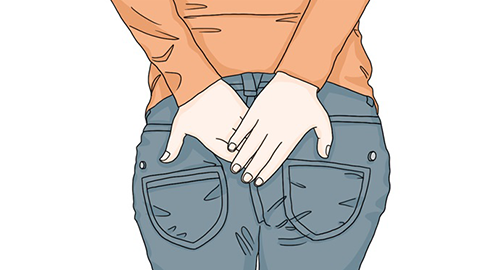
If anal bleeding is accompanied by anal pain, an anal fissure should be considered—particularly in patients with a history of constipation. In early-stage fissures, conservative management is recommended, including topical ointment application. If ointment therapy proves ineffective, surgical intervention—such as internal anal sphincterotomy—may be considered to relieve sphincter spasm, alleviate tearing pain, and reduce bleeding caused by constipation. Conversely, if bleeding occurs without pain, internal hemorrhoids are the likely cause.
Patients are advised to maintain warmth and consume light, easily digestible foods daily to ensure regular, soft bowel movements. Regular physical activity outdoors is also encouraged to enhance overall physical fitness. We hope this information proves helpful.


