


How is proctitis with mixed hemorrhoids treated?

Most people are quite familiar with mixed hemorrhoids. The onset of mixed hemorrhoids can cause numerous physical discomforts, significantly impairing one’s work and academic performance. If left untreated, the condition may progress to a more advanced stage and even jeopardize overall health. Therefore, patients diagnosed with mixed hemorrhoids must seek prompt medical treatment. But how is mixed hemorrhoids complicated by proctitis treated?
How Is Mixed Hemorrhoids Complicated by Proctitis Treated?
Treatment for mixed hemorrhoids associated with proctitis should be individualized based on disease severity. In cases where patients have both mixed hemorrhoids and proctitis but exhibit only mild or no symptoms, conservative management through dietary and lifestyle modifications is often sufficient. This includes avoiding spicy and irritating foods, maintaining regular and soft bowel movements, minimizing prolonged sitting or standing, and abstaining from alcohol—measures aimed at preventing disease progression. For patients presenting with symptomatic mixed hemorrhoids and concurrent proctitis—such as painful defecation, prolapse, abdominal distension, or diarrhea—oral antibiotics and anti-inflammatory medications may be prescribed under physician supervision to alleviate the inflammatory response in the rectum. During follow-up, medicated sitz baths may be recommended to relieve perianal discomfort.
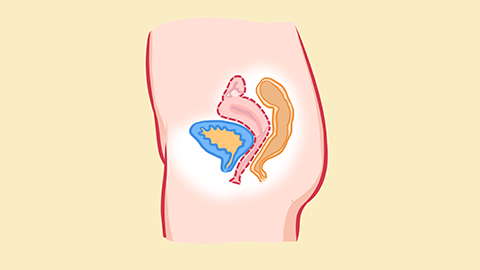
Dietary adjustments are essential: increase intake of vegetables and fruits rich in dietary fiber, and drink ample water to prevent constipation and reduce mechanical irritation of hemorrhoidal tissue during defecation. Additionally, meticulous perianal hygiene should be maintained to keep the anal area clean. For proctitis, professional guidance is required for retention enemas using Kangfu Xin Ye (a traditional Chinese medicine preparation), followed by oral administration of Diosmin tablets. In severe or refractory cases, surgical intervention may be necessary.

In daily life, patients should maintain a positive mindset, actively cooperate with their physicians, adhere strictly to prescribed medication regimens (both dosage and timing), and diligently practice self-care measures—thus facilitating timely clinical improvement. We hope this information proves helpful to you.


