


What causes redness and pain around the anus?

For instance, patients who frequently consume foods high in fat, spicy foods, or raw/cold foods are prone to gastrointestinal disturbances, which may lead to diarrhea or constipation. In particular, individuals suffering from chronic constipation may experience rectal bleeding after defecation. So, what causes redness and pain around the anus?
What Causes Redness and Pain Around the Anus?
Redness and pain around the anus should first be considered signs of perianal inflammation—an infection affecting the skin surrounding the anus. This condition typically results in localized skin redness, superficial skin damage, tissue edema, and pain. Severe infections may progress to skin erosion, ulceration, or even fistula formation. In early-stage cases, topical antibiotic ointments—such as mupirocin ointment or erythromycin ointment—can help control the local infection. However, for perianal inflammation complicated by fistula formation, surgical excision of the fistula is required.
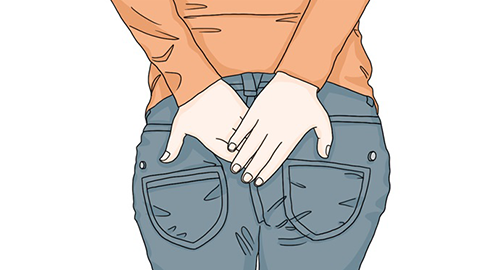
If the patient has consumed spicy foods or alcohol, these habits should be corrected promptly—avoiding both spicy foods and alcoholic beverages. For constipation, increasing intake of fruits, vegetables, whole grains, and water is recommended to prevent and alleviate symptoms. Patients with sedentary lifestyles or frequent late-night activity should reduce prolonged sitting and sleep deprivation, while incorporating appropriate physical exercise to improve local blood circulation. Those with poor hygiene practices should ensure thorough cleansing after bowel movements; warm sitz baths may also be beneficial when necessary. Additionally, maintaining local dryness and regularly changing undergarments are essential.

In severe cases, prompt medical evaluation and treatment at a hospital are essential. Daily dietary management should emphasize light, non-irritating foods. Timely medical intervention remains critical for advanced or worsening conditions. We hope this information proves helpful to you.


