


What should I do about hemorrhoidal eczema during pregnancy?
Aug 24, 2022
Source: Cainiu Health

Dr. Lv Aiming
Introduction
Anal eczema during pregnancy can be treated with mild traditional Chinese herbal remedies used externally for cleansing and topical anti-itch medications. During pregnancy, increased moisture and secretions around the anal area can irritate the surrounding skin, predisposing individuals to perianal eczema and associated pruritus. Mild traditional Chinese herbal preparations may be used for local external washing or sitz baths. Anti-itch ointments can be applied directly to the affected, itchy areas to relieve symptoms; dietary adjustments should also be observed.
In real life, unpleasant symptoms such as perianal eczema cause significant psychological distress for patients. Particularly when pruritus and other uncomfortable symptoms occur, patients often feel helpless and dare not scratch—making the situation extremely embarrassing. So, what should be done if a pregnant woman develops perianal eczema?
Management of Perianal Eczema During Pregnancy
Perianal eczema during pregnancy can be treated with gentle traditional Chinese herbal external washes and topical anti-itch medications. During pregnancy, the perianal area tends to remain moist due to increased secretions, which may irritate the surrounding skin and trigger perianal eczema and associated pruritus. Mild traditional Chinese herbal preparations may be used for local cleansing or sitz baths. Anti-itch ointments can be applied directly to affected, itchy areas. Additionally, dietary adjustments are important: avoid spicy foods and consume more vegetables and fruits to maintain regular bowel movements.
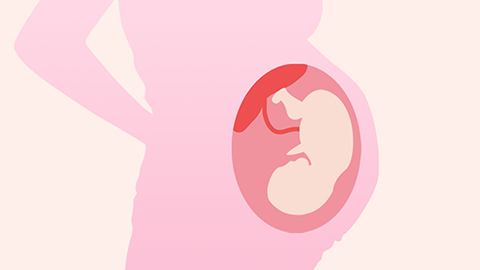
Perianal eczema is a common dermatological condition affecting the anal region, characterized by irregular rashes, exudation, and intense pruritus, with a tendency toward recurrence. The precise etiology remains unclear. Clinically, lesions are typically confined to the perianal skin around the anal verge but may occasionally extend to the perineum, scrotum, or labia.
In daily life, patients should maintain a positive mindset, actively cooperate with their physicians’ treatment plans, take prescribed medications on time and in correct dosages, and pay close attention to routine self-care—thereby facilitating prompt improvement of symptoms. We hope this information proves helpful to you.


