


What should I do if my anus itches severely at night?

Perianal itching is a common condition experienced by many individuals. As a persistent and often embarrassing disorder, many people feel uncomfortable discussing it openly. However, this issue should not be ignored, as failure to seek timely treatment and management may lead to complications such as hemorrhoids. So, what should one do if the anus itches severely at night?
What to Do If the Anus Itches Severely at Night
Nocturnal perianal itching may be associated with various underlying causes, including intestinal parasitic infections, hemorrhoids, or perianal eczema. Appropriate treatment depends on identifying the specific cause in each individual. For instance, intestinal parasites—such as pinworms—may migrate from the intestines to the perianal region during nighttime, irritating the anal skin and triggering intense itching. In such cases, antiparasitic medication may be required. Alternatively, the itching may stem from hemorrhoids; acute hemorrhoidal episodes can also provoke perianal pruritus.
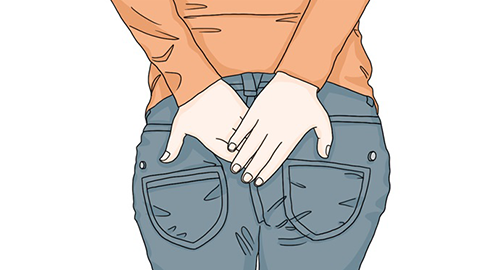
Many individuals neglect personal hygiene and health practices—failing, for example, to bathe regularly or change clothing frequently. Accumulation of bacteria and pathogens in the perianal area may thus contribute to itching. Therefore, maintaining good hygiene—including regular clothing changes and wearing breathable, cotton undergarments—can significantly alleviate and improve symptoms. Generally, diet plays only a minor role; however, avoiding spicy foods and increasing fluid intake to ensure regular, soft bowel movements are still advisable.
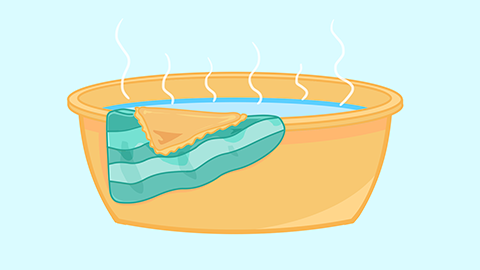
If symptoms become severe, prompt medical evaluation and treatment at a healthcare facility are essential. Consistently practicing good hygiene also contributes positively to overall health. We hope this information proves helpful to you.


