


What Causes Anal Itching?

If anal itching occurs frequently—especially worsening at night—consider the possibility of anal eczema. Soaking in a potassium permanganate solution nightly, along with topical medications such as Bactroban (mupirocin), can effectively alleviate the itching. Avoid scratching the anal area, as this may cause skin damage and secondary infection. So, what causes severe anal itching?
What Causes Severe Anal Itching?
Severe anal itching may result from conditions including anal eczema, genital warts (condyloma acuminatum), and perianal inflammation. Anal eczema is a type of allergic dermatitis characterized by small, vesicle-like lesions resembling papules around the anus. The base of these lesions appears erythematous and is accompanied by intense, abnormal pruritus. Scratching may lead to exudation, inflammation, ulceration, and persistent moisture in the perianal region. Genital warts are a contagious disease caused by human papillomavirus (HPV) infection; in early stages, they manifest as small, light-red papules.
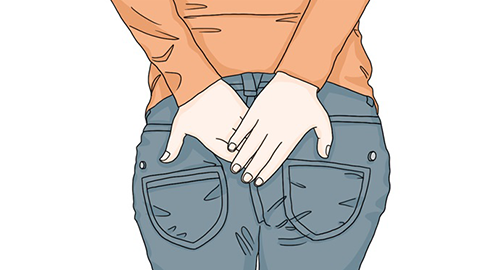
As the disease progresses, the lesions may develop into cauliflower- or cockscomb-shaped growths, often associated with pain, pruritus, a foreign-body sensation, and urgency. Additionally, hemorrhoids or anal fissures may also cause anal itching; therefore, prompt medical evaluation and treatment at a hospital are strongly recommended. Chronic colitis, if present, should be actively managed—for instance, with oral administration of Gu Shen An Chang (a traditional Chinese medicine formulation).
In daily life, maintain regular dietary habits: avoid spicy, irritating, or overly rich foods; refrain from binge eating; and ensure adequate rest to prevent sleep deprivation. We hope this information proves helpful.


