


Is proctitis related to the spleen and kidneys?

Proctitis may be caused by decreased immunity, general physical weakness, and other gastrointestinal infections. During a proctitis episode, patients may experience a sensation of rectal prolapse. Some individuals may develop significantly increased bowel movements, accompanied by bloody stools. In severe cases, inflammation may extend to the perirectal tissues. Is proctitis related to the spleen and kidneys?
Is proctitis related to the spleen and kidneys?
Proctitis is not related to the spleen or kidneys. As its name suggests, proctitis refers specifically to inflammation—characterized by mucosal congestion and edema—in the rectal region. These symptoms typically arise from prolonged consumption of spicy or greasy foods, rather than from spleen deficiency. It is recommended to pay close attention to dietary habits: avoid spicy, stimulating, and cold foods; refrain from overeating or binge eating; drink plenty of water; and maintain regular, unobstructed bowel movements. Consulting a Traditional Chinese Medicine (TCM) practitioner for evaluation and personalized recuperative guidance is also advisable. If diagnosed with proctitis, it is essential first to determine whether it stems from bacterial infection, viral infection, or an autoimmune disorder.
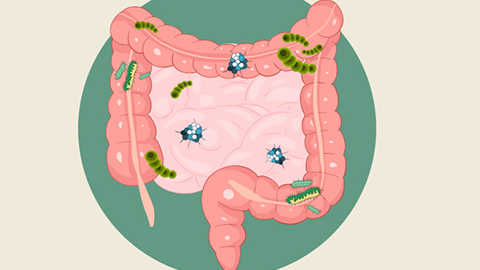
Treatment should be tailored according to the underlying cause. When necessary, colonoscopy should be performed to further aid diagnosis and management. Proctitis is not directly associated with the spleen or stomach; rather, it is primarily linked to bacterial invasion of the rectum. Common symptoms include frequent, irregular bowel movements, a sensation of rectal prolapse, urgency, and a feeling of heaviness. Antibiotics and anti-inflammatory medications may be prescribed for treatment.

In daily life, maintain disciplined eating habits: avoid spicy and irritating foods, never overeat, and refrain from staying up late. We hope this response has been helpful to you.


