Why does the anus hurt after defecation?
Aug 24, 2022
Source: Cainiu Health

Dr. Cheng Yicheng
Introduction
Anal pain after defecation warrants a visit to the hospital for proper evaluation and targeted treatment. In cases of anal fissures, defecation stimulates nerve endings within the fissure, triggering an immediate burning or sharp, knife-like pain in the anus, followed by spasm and contraction of the internal anal sphincter, resulting in persistent pain. In addition to pain, anal fissures are commonly associated with symptoms such as bleeding and constipation.
In today’s society, many people experience anal pain due to occupational factors. For example, teachers often stand or sit for prolonged periods and lack physical exercise; some young adults maintain poor lifestyle habits—such as frequent late-night sleeping and irregular diets—while white-collar workers may need to socialize and consume alcohol regularly, all of which can contribute to anal pain. So, what causes anal pain after defecation?
What Causes Anal Pain After Defecation?
If you experience anal pain after bowel movements, it is advisable to seek medical evaluation at a hospital to identify the underlying cause and receive appropriate treatment. In cases of anal fissures, defecation stimulates nerve endings within the fissure, immediately triggering a burning or sharp, knife-like pain in the anus. This stimulation also induces spasm and contraction of the internal anal sphincter, resulting in persistent pain. Besides pain, anal fissures are commonly accompanied by bleeding and constipation. Anal sinusitis typically presents with anal distension and pain. During defecation, pressure from feces exacerbates inflammation of the anal sinuses. If the sphincter muscles spasm in response to this irritation, the pain intensifies and may radiate to the buttocks and posterior thighs.
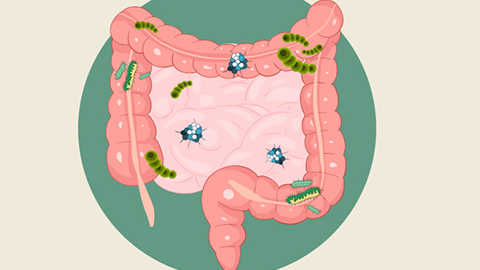
First, the cause of the anal pain must be determined. These conditions occur below the dentate line—a region innervated by somatic nerves and thus highly sensitive to pain. Common disorders include thrombosed external hemorrhoids, anal fistulas, perianal abscesses, and anal fissures. Once a definitive diagnosis is established, prompt treatment is essential. Patients with anal fissures typically require surgical excision of the ulcerated area, while those with thrombosed external hemorrhoids should undergo removal of the hemorrhoid and complete evacuation of the thrombus.
In daily life, cultivating healthy lifestyle and dietary habits is crucial. We hope this information proves helpful to you.