


Is Anal Sphincter Contraction Effective for Hemorrhoids?

Many patients with anorectal diseases have heard of Kegel (anal lift) exercises—and many are already practicing them. These exercises can help improve symptoms such as anal and vaginal laxity, and may prevent hemorrhoids, urinary incontinence, and fecal incontinence. But do anal lift exercises actually help with hemorrhoids?
Do Anal Lift Exercises Help with Hemorrhoids?
Yes, anal lift exercises are beneficial for hemorrhoids. For patients with early-stage hemorrhoids, performing these exercises regularly can slow disease progression and even alleviate symptoms. Internationally, pelvic floor (anal lift) exercises are widely recommended. To perform them correctly, one must first contract the anal sphincter—as if attempting to suppress the urge to defecate—then consciously lift the anus upward. Each contraction-and-lift cycle should be held for approximately 5–10 seconds. Aim for 50–100 repetitions per session, ideally performed once in the morning and once in the evening. Consistency is the most critical factor: performing the exercise sporadically yields no benefit; only sustained, daily practice over several months will produce noticeable improvement.
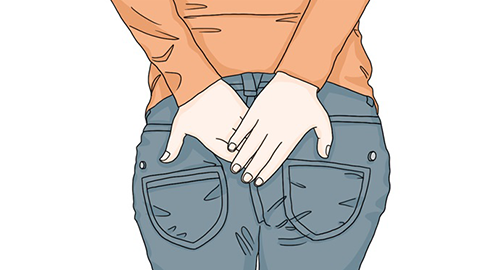
Anal lift exercises exert multiple beneficial effects on hemorrhoids. Hemorrhoids arise from displacement of the anal cushions and venous dilation, resulting in localized swelling. During anal lift movements, the surrounding perianal muscles alternately contract and relax, thereby enhancing local blood circulation and promoting venous return—ultimately alleviating hemorrhoidal symptoms.
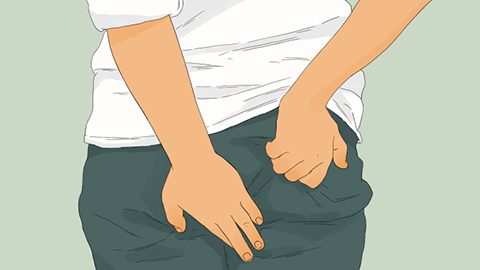
Long-term adherence to anal lift exercises—combined with other therapeutic approaches, such as correcting unhealthy lifestyle habits, applying topical hemorrhoid ointments, or taking oral medications like Maizhiling—can effectively control hemorrhoidal disease, especially in mild cases. We hope this information proves helpful to you.


