


Causes of Delayed Menstruation in Women

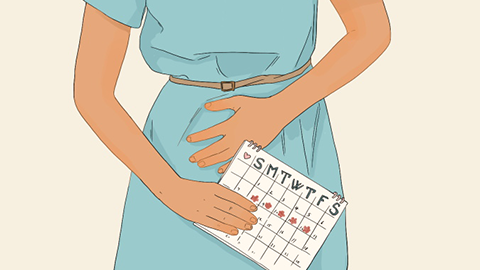
Under normal circumstances, women experience menstruation each month; however, some women may experience delayed periods. Many women undergo temporary menstrual irregularities during their reproductive years, and it is important to identify the underlying cause when menstruation is significantly delayed. So, what are the possible reasons for a delayed menstrual period?
Possible Causes of Delayed Menstruation in Women
A delayed menstrual period in women may result from endocrine disorders, gynecological conditions, or pregnancy. If a woman has had sexual intercourse and her period is delayed, pregnancy must be ruled out first—she should undergo a pregnancy test. Once pregnancy is excluded, the delay is generally attributed to menstrual irregularity. If a pelvic ultrasound reveals a thickened endometrium, progesterone therapy may be administered to induce endometrial shedding and trigger menstruation. Conversely, a thin endometrium typically indicates low estrogen levels, most commonly due to ovarian dysfunction.

A delayed menstrual period may also stem from endocrine imbalances, gynecological diseases, or pregnancy. If unprotected intercourse occurred prior to the expected period, prompt medical evaluation—or use of a home pregnancy test—is recommended to confirm or exclude pregnancy. Excessive stress and emotional fluctuations can disrupt endocrine function and lead to menstrual irregularities; timely psychological and lifestyle adjustments are therefore essential. Maintaining a positive mindset is important, and chronic sleep deprivation may likewise contribute to menstrual disturbances.
Patients are advised to follow a light, balanced diet and avoid raw, cold, spicy, or otherwise irritating foods. Should menstruation be significantly delayed, prompt medical consultation and appropriate diagnostic evaluation are strongly recommended. We hope this information proves helpful.


