Where is the colon located?
Aug 24, 2022
Source: Cainiu Health

Dr. Ma Jie
Introduction
The colon is located within the abdominal cavity and constitutes the segment of the large intestine between the cecum and the rectum. It comprises the ascending colon, transverse colon, descending colon, and sigmoid colon. Its functions include absorption, secretion, bacterial digestion, and facilitation of defecation. Following absorption, the most prominent symptom—described here with a semicolon—is gastric discomfort potentially caused by colitis. Common clinical manifestations include dyspepsia, diarrhea, and hematochezia.
The colon is commonly referred to as the large intestine. Colitis is a chronic inflammatory condition of the intestine, with an insidious onset and variable severity. Diarrhea—the passage of unformed stools—is the predominant symptom, often accompanied by tenesmus (a persistent urge to defecate). As colitis itself is a chronic disease, where exactly is the colon located?
Location of the Colon
The colon lies within the abdominal cavity and constitutes the segment of the large intestine extending from the cecum to the rectum. It comprises four main parts: the ascending colon, transverse colon, descending colon, and sigmoid colon. Its functions include absorption, secretion, bacterial digestion, and facilitation of defecation. Absorption is most pronounced in the ascending colon. Inflammation associated with colitis may cause gastric discomfort; common clinical manifestations include dyspepsia, diarrhea, and hematochezia (rectal bleeding). Treatment typically involves anti-inflammatory medications, supplemented by acupuncture—leading to rapid symptom improvement.
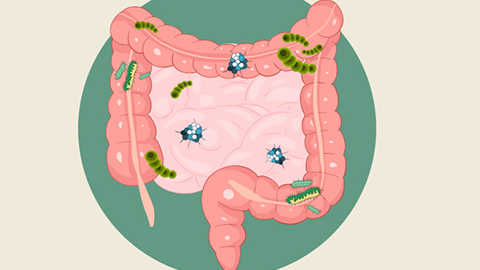
The colon is widely distributed throughout the abdomen, primarily encircling its periphery. Starting from the pubic symphysis—the midline bony junction where the two legs meet—the sigmoid colon lies on the left side; proceeding upward leads to the descending colon, and beneath the left costal margin lies the splenic flexure of the colon. The transverse colon occupies the upper abdomen, while the hepatic flexure—the right upper abdominal portion situated just below the liver—marks the colonic region adjacent to the liver.
In daily life, patients should maintain a positive mental outlook, actively cooperate with their physicians during treatment, take prescribed medications regularly and in correct dosages, and pay close attention to routine self-care—thus promoting prompt clinical improvement. We hope this information proves helpful to you.