


Can Pien Tze Huang treat hemorrhoids?

Pien Tze Huang is a commonly used medication in daily life. Due to its efficacy in treating numerous conditions, it has earned widespread public trust. However, limited knowledge about the proper administration of Pien Tze Huang often prevents patients from fully realizing its therapeutic benefits. So, can Pien Tze Huang treat hemorrhoids?
Can Pien Tze Huang Treat Hemorrhoids?
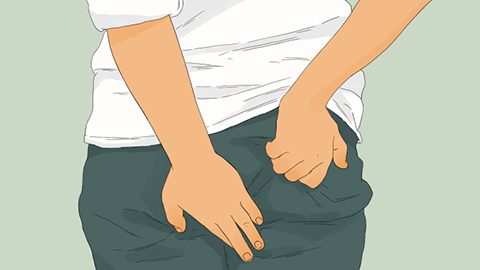
Yes, Pien Tze Huang can be used to treat hemorrhoids. It possesses anti-inflammatory, diuretic, anti-edematous, and analgesic properties, making it beneficial for managing hemorrhoidal symptoms. When hemorrhoids present with swelling, pain, or rectal bleeding, early intervention with Pien Tze Huang may yield favorable therapeutic outcomes. Since hemorrhoid management primarily focuses on symptom control, using Pien Tze Huang during the early stages can effectively alleviate associated symptoms. However, if severe hemorrhoids remain uncontrolled despite treatment with Pien Tze Huang or other adjunctive medications, patients should seek medical evaluation to determine whether surgical intervention is necessary. Additionally, individuals with hemorrhoids are advised to maintain a healthy diet, develop regular bowel habits, and ensure timely defecation—measures that help prevent or delay disease progression.

Hemorrhoids may also be treated with topical agents. Under a physician’s guidance, suppositories such as Compound Carrageenan Suppositories or Chlorhexidine Acetate Hemorrhoid Suppositories are recommended. For bleeding internal hemorrhoids, sclerotherapy—a procedure involving injection of a sclerosing agent into the submucosal venous plexus surrounding the affected area—is generally preferred; this compresses and occludes the varicose veins.
In daily life, patients should maintain a positive mindset, actively cooperate with their physicians, adhere strictly to prescribed dosages and schedules, and pay close attention to routine self-care—thus facilitating prompt improvement of their condition. We hope this information proves helpful to you.


