


What should I do if I develop eczema around the anus during pregnancy?

Eczema often causes intense itching of the skin, leading to significant discomfort that may disrupt sleep and appetite. Moreover, pregnancy is a unique physiological period during which hormonal fluctuations can adversely affect maternal health. Importantly, pregnant women must avoid using medications indiscriminately, as certain drugs may harm the developing fetus. So, what should be done if a pregnant woman develops perianal eczema?
Management of Perianal Eczema During Pregnancy
Perianal eczema and associated pruritus during pregnancy are primarily managed with topical pharmacotherapy. Mild traditional Chinese herbal preparations—such as Compound Phellodendron Wash and Kangfuxin Wash—are commonly used for local perianal rinsing and moist compresses; these are generally considered safe for use during pregnancy. Additionally, topical anti-itch ointments may be applied; corticosteroid-containing ointments are typically recommended during pregnancy, while highly irritating formulations should be avoided. It is also essential to keep the perianal area dry and well-ventilated—especially by frequently changing and washing undergarments, preferably made of 100% cotton. Patients may also benefit from placing a soft, absorbent pad over the perianal region to help soak up any discharge, thereby reducing localized pruritus.
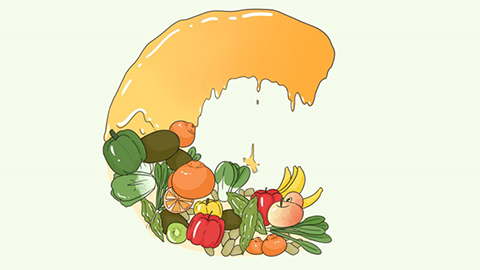
Pregnant women with eczema should avoid foods that promote dampness accumulation in the body, as excessive internal dampness may exacerbate eczema and hinder treatment efficacy. Common “dampness-promoting” foods include lamb, beef, bamboo shoots, eggplant, and lotus seeds. Furthermore, “trigger foods” (i.e., foods traditionally believed to provoke or worsen inflammatory skin conditions) should be strictly avoided—particularly seafood, which may aggravate eczema symptoms and complicate management. Other common trigger foods include glutinous rice, fermented rice paste (jiu niang), and rice wine. Spicy and stimulating foods—including Sichuan pepper (huajiao), cinnamon, and star anise—may also irritate the body and worsen eczema, and thus should likewise be avoided. Instead, pregnant women with eczema should consume ample fruits and vegetables to ensure adequate vitamin intake.
Pregnant women who develop perianal eczema should seek prompt medical evaluation and avoid self-medicating. We hope this information proves helpful.


