


Can colitis cause bloody stools?

Colitis is a chronic condition characterized by inflammatory responses in the colon, triggered by multiple factors. The primary symptoms of colitis include diarrhea and abdominal pain. In severe cases, some patients may pass mucus-containing stools or purulent, bloody stools. This disease tends to recur frequently. So, does colitis cause hematochezia (blood in the stool)?
Does colitis cause hematochezia?
In cases of colitis, blood may indeed appear in the stool. First, patients may experience frequent bowel movements and a persistent sensation of incomplete evacuation. Second, significant bleeding may occur, resulting in large amounts of bright red blood mixed with the stool. Blood clots may sometimes be present, while other abnormal components remain relatively minimal. This constitutes a medical emergency; massive hemorrhage can lead to shock. However, it should be noted that not all cases of colitis present with hematochezia. The main clinical manifestations of colitis typically include abdominal pain, abdominal distension, and alterations in stool characteristics—such as mushy, loose, or hard stools—as well as increased or decreased bowel movement frequency.
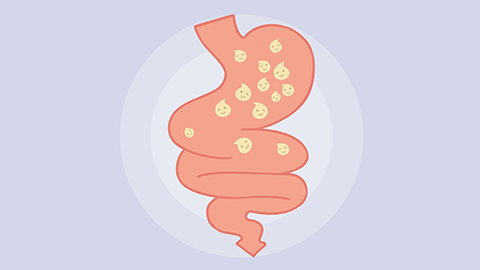
Whether hematochezia occurs in colitis may depend on the severity of the disease. Patients with more severe colitis are more likely to exhibit hematochezia, whereas those with mild colitis and good general health rarely develop this symptom. Aside from hematochezia, the predominant clinical features of colitis include abdominal pain, abdominal distension, and changes in stool characteristics—such as increased mucus production leading to mushy stools—as well as alterations in bowel habits and defecation frequency.
Patients are advised to maintain a balanced diet and avoid spicy or irritating foods to allow the intestines adequate rest. We hope this information has been helpful.


