


What Causes Anal Itching at Night?

Although young people generally have strong immune resistance, frequent alcohol consumption, eating spicy foods, and staying up late can adversely affect many aspects of their health. In severe cases, these habits may lead to gastrointestinal disorders, resulting in anorectal diseases and pruritus ani (anal itching), thereby imposing physical and psychological burdens on patients. So, what causes anal itching at night?
What Causes Anal Itching at Night?
Patients may experience nocturnal anal itching due to intestinal roundworms migrating to the anal sphincter during sleep. In such cases, children may be given oral lactulose or undergo rectal enemas with pyrantel pamoate (e.g., “Kaisailu”) to facilitate worm expulsion and alleviate anal itching. Patients with mixed hemorrhoids may develop perianal itching and discomfort due to mucosal bleeding from internal hemorrhoids or recurrent prolapse of hemorrhoidal tissue during nighttime sleep—potentially causing mucosal fissures. We recommend herbal sitz baths and topical application of Longzhu ointment to the anal area.
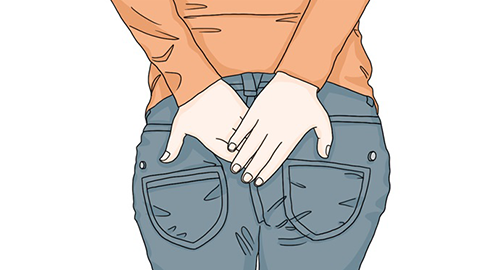
For patients unresponsive to conservative treatment, surgical intervention may be considered for complete resolution of pruritus ani. Patients with anal eczema may also experience localized anal itching at night; treatment options include topical anti-inflammatory and antipruritic solutions, as well as oral loratadine to reduce systemic allergic responses and relieve anal itching.
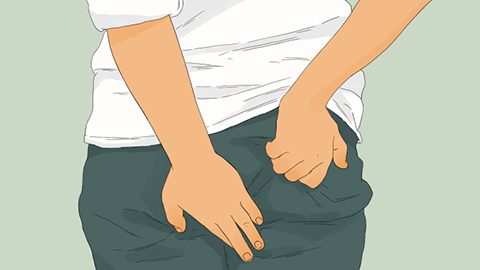
In daily life, maintain a regular, balanced diet—avoid spicy, irritating, or overly rich foods, refrain from binge eating, and ensure adequate rest by avoiding late-night activities. We hope this information is helpful to you.


