


How to Relieve Anal Discomfort After Vaginal Delivery

In fact, anal dilation and pain have numerous underlying causes, most of which stem from medical conditions. Given the complexity of these conditions, vigilance and attention in daily life are essential. During treatment, identifying the precise cause is critically important. So, how can one alleviate anal distension and pain following vaginal delivery?
How to Alleviate Anal Distension and Pain After Vaginal Delivery
Following vaginal delivery, anal distension and pain can initially be relieved through potassium permanganate sitz baths, which improve local blood circulation around the anus and help reduce discomfort. If swelling and pain result from hemorrhoids, topical hemorrhoidal suppositories may be inserted into the anus to reduce inflammation and relieve pain. For severe pain, localized analgesics are recommended. If topical treatments prove insufficient, a small dose of nonsteroidal anti-inflammatory drugs (NSAIDs) may also be taken.
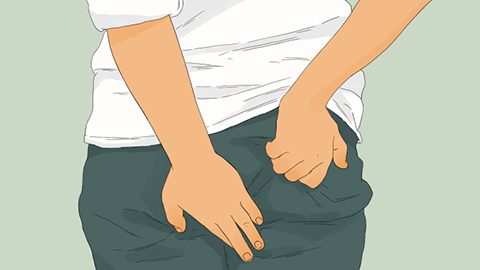
During natural childbirth, increased intra-abdominal pressure is exerted to facilitate rapid fetal expulsion, significantly elevating pressure within the anal canal region. Should anal distension or pain occur postpartum, it may indicate underlying pathological changes such as hemorrhoids or anal fissures; prompt medical evaluation is therefore necessary to determine the specific type and severity of the lesion. Mothers may gently cleanse the perianal area with diluted saline solution, ensure the area remains dry, and elevate the buttocks to minimize edema. It is advisable to consume ample fresh vegetables and fruits, avoid cold or spicy foods, maintain regular bowel movements, and refrain from prolonged sitting.

Generally, as the uterus and pelvic floor muscles gradually recover postpartum, symptoms of anal distension and pain tend to subside progressively. If symptoms persist or worsen, medical consultation is recommended to rule out other potential pathologies. We hope this information proves helpful to you.


