


How is the anorectal examination performed?

During routine physical examinations, the anus is typically examined. An anal examination helps assess whether the human genital organs are normal and healthy. Additionally, it enables patients to better prevent diseases. So, how is an anal examination performed?
How Is an Anal Examination Performed?
For the examination, liquid paraffin is applied externally to the anal area to facilitate insertion. During the procedure, the examiner gently massages the perianal region and then slowly inserts a lubricated finger into the rectum. At this time, the patient should relax the anal sphincter and breathe deeply through the mouth. The examiner rotates their finger 360 degrees within the mid-portion of the anal canal twice, carefully palpating for tenderness, masses, or other abnormalities around the anus. Upon withdrawing the finger, the examiner checks the glove for traces of blood or mucus.

Patients should pay closer attention if they notice changes in their bowel habits, as altered bowel habits are often the earliest sign of rectal cancer. Due to tumor-induced irritation of the intestinal wall, patients may experience either increased or decreased bowel activity over a short period—even diarrhea. When stools become loose or contain pus and blood, an anal examination is urgently recommended to rule out disease. Some rectal cancer patients pass stools containing blood, which may appear bright red or dark red.
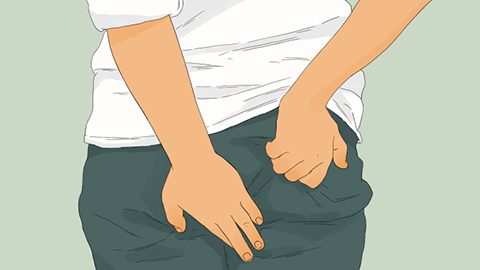
Therefore, patients should be especially vigilant when observing changes in stool consistency or color. We hope this information is helpful to you.


