


Is antibiotic treatment effective for chronic proctitis?

For patients with numerous unhealthy habits or irregular dietary patterns, the risk of developing adverse conditions—such as chronic proctitis—is notably high. Chronic pharyngitis is another such condition that causes significant psychological distress to affected individuals. So, is antibiotic therapy effective for chronic proctitis?
Is Antibiotic Therapy Effective for Chronic Proctitis?
Antibiotics can be effective in treating chronic proctitis. Proctitis refers to inflammation of the rectal mucosa, and common symptoms include rectal bleeding, abdominal pain, constipation, diarrhea, rectal hemorrhage, and anorectal pain. Treatment strategies for proctitis vary depending on its underlying cause. In general, management primarily involves pharmacotherapy and, in select cases, surgical intervention. Patients should avoid cold foods, which may irritate the intestinal tract. Since proctitis often leads to diarrhea, dehydration is a common concern; thus, patients should consume easily digestible, vitamin-rich foods while avoiding greasy or fatty items. Additionally, foods that promote gas formation—such as sugary products, legumes, and carbonated beverages—should also be avoided.
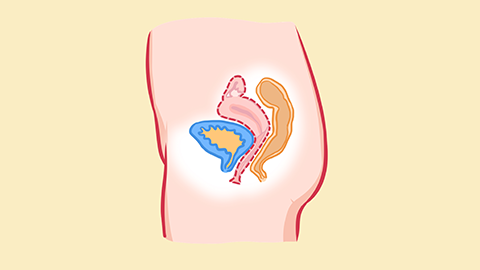
Chronic proctitis is a recurrent, chronic inflammatory bowel condition primarily affecting the colon and rectum. Typical symptoms include increased bowel movement frequency, discomfort during defecation, abdominal pain, bloating, diarrhea, and susceptibility to colds; symptom severity often worsens after consuming fatty or rich foods. The condition commonly arises from spleen-stomach deficiency, diminished physical resistance, impaired immunity, pathogenic infection, or psychogenic factors. Due to its prolonged course, chronic proctitis may lead to progressive nutrient depletion.

In daily life, cultivating sound lifestyle and dietary habits is essential. We hope this information proves helpful to you.


