


How is endometriosis treated?

The uterus is a vital reproductive organ in women—the site where infants develop and are born. Uterine diseases inevitably affect women’s health and may lead to infertility. Therefore, women must prioritize the treatment of uterine disorders, such as endometriosis. So, how is endometriosis treated?
How Is Endometriosis Treated?
Endometriosis can be managed through pharmacological therapy, surgical intervention, and other approaches. Hormonal medications are commonly used because ectopic endometrial tissue remains responsive to ovarian hormones; thus, sex hormone therapy constitutes a cornerstone of treatment. The primary goal of hormonal therapy is to suppress ovulation—or even induce amenorrhea—to promote degenerative changes in the ectopic endometrium, ultimately leading to its atrophy, necrosis, and absorption. For patients seeking definitive cure, bilateral oophorectomy (removal of both ovaries) combined with hysterectomy (removal of the uterus) may be considered. However, postoperative complications and sequelae can impose significant physical and psychological burdens on patients, including the onset of menopausal syndrome following surgery.
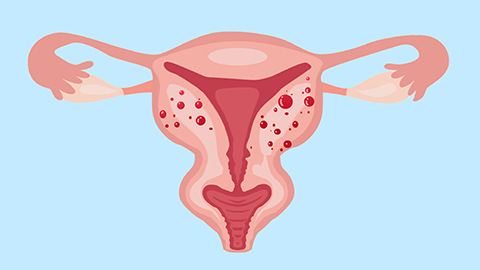
Radiation therapy is another option for endometriosis, aimed at destroying ovarian tissue to eliminate ovarian hormone production and thereby reduce the size of ectopic endometrial lesions. Nevertheless, radiation exerts only a modest destructive effect on ectopic endometrium. It may be considered for select patients who cannot tolerate hormonal therapy—particularly those with lesions involving the bowel or urinary tract, or those with extensive pelvic adhesions who fear surgical intervention.

In daily life, maintaining a regular, balanced diet is essential: avoid spicy and irritating foods, refrain from overeating, and ensure adequate sleep by avoiding late-night activities. We hope this information proves helpful to you.


