


How is cervical CIN3 treated?

Cervical CIN (cervical intraepithelial neoplasia) refers to precancerous changes in the cervical epithelium; specifically, CIN3 represents high-grade squamous intraepithelial lesion (HSIL), a severe precancerous condition of the cervix. CIN3 is typically managed surgically, most commonly via conization. In most patients with CIN3, the lesion will progress if left untreated; however, in a minority, it may remain stable or even regress spontaneously. So, how is CIN3 treated?
How is Cervical CIN3 Treated?
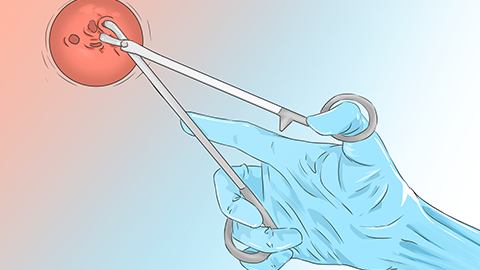
For cervical CIN3, total hysterectomy is an effective treatment option. In cases where pathological diagnosis confirms CIN3, complete conization may be performed—particularly in younger patients or those desiring future fertility. Some patients may exhibit unclear resection margins or residual disease following conization; thus, close follow-up or repeat conization may be warranted. For older patients—especially those aged ≥50 years—or those with persistent HPV infection, conization is often recommended to be accompanied by hysterectomy. If conization alone is performed, long-term regular surveillance is essential. In cases of indistinct surgical margins, uncertain lesion extent, or suspicion of deep stromal invasion (e.g., microinvasive carcinoma), immediate total hysterectomy is advised for definitive management of CIN3. This approach generally achieves optimal therapeutic outcomes without significantly compromising quality of life. Therefore, patients diagnosed with CIN3 should actively cooperate with their physicians, attend scheduled follow-up visits, and ensure early detection and timely intervention to prevent disease progression and safeguard life.
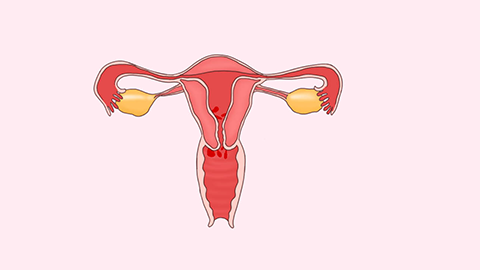
Postoperatively, regular follow-up is crucial—particularly for patients testing positive for high-risk HPV. Cervical cytology (TCT) and HPV testing should be conducted at prescribed intervals. Unclear or positive surgical margins indicate residual dysplastic tissue in the remaining cervix, necessitating further evaluation and individualized management. Whether CIN III margins are clear must be confirmed through ongoing surveillance and clinical assessment.
In daily life, maintaining healthy lifestyle and dietary habits is strongly encouraged. We hope this information proves helpful to you.


