


How is radiation proctitis treated after cervical cancer surgery?

Rectal inflammation (proctitis) may be triggered by bacterial or viral infections, schistosomiasis, or unprotected sexual intercourse. Patients commonly experience symptoms such as diarrhea, bloody stools, and anal pain. In severe cases, complications—including anorectal sinusitis and iron-deficiency anemia—may develop. Therefore, timely treatment following diagnosis is essential. So, how is proctitis managed after cervical cancer surgery?
Management of Post-Cervical Cancer Surgery Proctitis
For proctitis following cervical cancer surgery, a dynamic traditional Chinese medicine (TCM) therapy is recommended. Herbal medications administered postoperatively help eliminate residual cancer cells, enhance immune function, effectively control disease progression, and restore the body’s yin-yang balance—ultimately supporting full recovery. Concurrently, patients should maintain a light, nutritious diet to bolster immunity and practice good personal hygiene. During gastroscopy, ulceration or exudative lesions in the gastric mucosa may be observed. TCM therapy promotes healing of gastrointestinal mucosal damage and effectively alleviates symptoms, yielding favorable therapeutic outcomes.
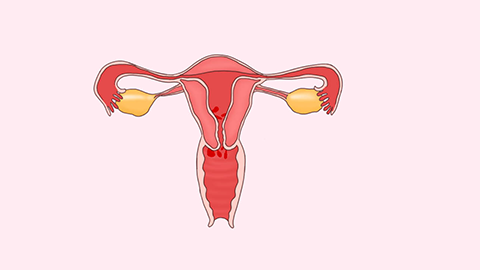
Proctitis refers specifically to inflammation of the rectal mucosa. The rectum—the terminal segment of the large intestine—primarily functions to store feces. When the rectal mucosa is exposed to inflammatory agents, viruses, or bacteria, it may become inflamed and edematous, thereby triggering proctitis.
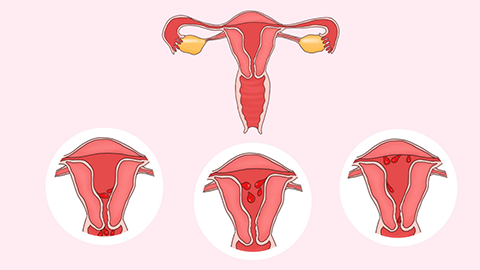
In daily life, patients should maintain a positive mindset, actively cooperate with their physicians’ treatment plans, take prescribed medications consistently and as directed, and adhere to proper self-care practices—thus facilitating prompt clinical improvement. We hope this information proves helpful.


