


How is cervical CIN1 treated?

Compared with other gynecological conditions, cervical diseases are more serious—particularly cervical lesions, which significantly impact patients. Cervical lesions are staged according to their severity, with CIN II (cervical intraepithelial neoplasia grade II) being the most common. Typically, patients are diagnosed at this stage. So, how is CIN I treated?
How is Cervical CIN I Treated?
Patients diagnosed with cervical CIN I should seek treatment at a hospital. CIN I refers to mild cervical intraepithelial neoplasia—a precancerous condition of the cervical epithelium—which is classified into three grades: CIN I, CIN II, and CIN III. Among these, CIN I is the mildest form and generally has minimal impact on women’s health. Approximately 60% of CIN I cases resolve spontaneously without intervention. If CIN I is detected, regular follow-up with cervical cytology (TCT) and HPV testing is recommended. In the absence of HPV infection, specific treatment is usually unnecessary. However, if HPV infection is present, antiviral medications may be prescribed under a physician’s guidance to support disease resolution. In select cases, physical treatments such as laser ablation or cryotherapy may also be considered.
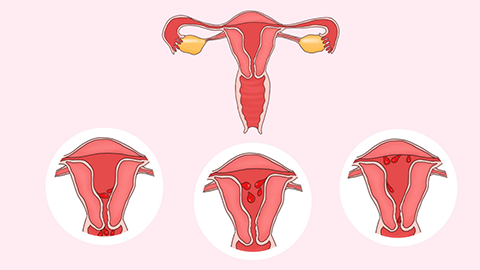
Patients with cervical lesions should maintain good genital hygiene and avoid unprotected or unhygienic sexual activity. Additionally, they should adopt a balanced diet rich in nutrients and engage in appropriate physical exercise to strengthen overall immunity. Proper nursing care and regular follow-up examinations are essential to prevent progression of cervical lesions and facilitate spontaneous resolution.
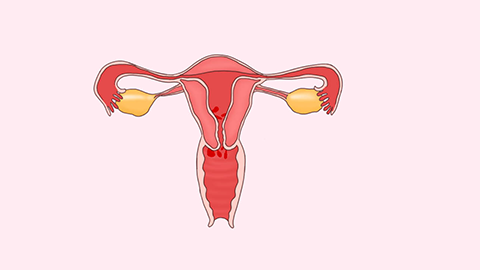
In daily life, patients should adhere to a disciplined diet—avoiding spicy, irritating, or overly rich foods, refraining from binge eating, and ensuring adequate sleep to prevent fatigue and nocturnal wakefulness. We hope this information proves helpful.


