


What are the symptoms of uterine problems?

The uterus is a unique organ in the human body and plays a vital role in reproduction and maintaining overall health. Therefore, women should prioritize uterine health. During certain physiological periods—such as menstruation, postpartum recovery, or after gynecological procedures—sexual intercourse should be avoided, as it may easily cause uterine injury. Once damaged, the uterus may manifest various symptoms. So, what are the signs of uterine problems?
What Symptoms Indicate Uterine Problems?
Common symptoms of uterine dysfunction include severe lower abdominal pain, irregular menstrual cycles, amenorrhea (absence of menstruation), and infertility. Uterine damage may also lead to “cold uterus” syndrome—a condition influenced by lifestyle habits, constitutional factors, diet, and clothing choices. Typical manifestations include scanty menstrual flow and frequent diarrhea; in severe cases, it may contribute to infertility. Many gynecological disorders initially present with vaginal bleeding—for example, uterine fibroids can progressively impair uterine contraction, resulting in menorrhagia (excessively heavy menstrual bleeding).
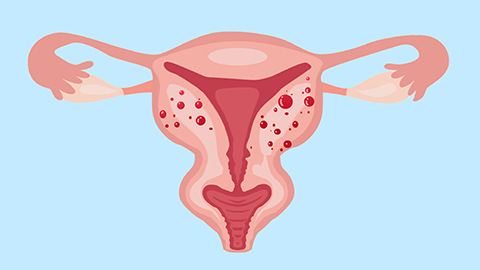
To protect the uterus and cervix, women should undergo annual routine gynecological examinations. They should minimize the number of induced abortions and intrauterine procedures. Any abnormalities—such as irregular vaginal bleeding or abnormal discharge—should be promptly evaluated and treated at a medical facility. For uterine protection, annual cervical cancer screening (e.g., Pap smear or HPV testing) is recommended. Additionally, practicing safe sex, maintaining genital hygiene, and ensuring proper external genital cleanliness are essential. If abnormal vaginal discharge occurs, patients should seek medical evaluation—including laboratory analysis of secretions—and follow prescribed treatment and rest protocols accordingly.
In daily life, women should maintain a balanced and regular diet—avoiding spicy, stimulating, or excessively greasy foods, refraining from binge eating, and ensuring adequate sleep to prevent chronic fatigue and late-night habits. We hope this information proves helpful.


