


Is CIN 1 of the cervix serious?

The cervix is a vital component of the female body and forms part of the uterus. Clinically, numerous cervical conditions significantly impact women’s health; thus, daily cervical care is critically important, as it directly affects female reproductive function. So, how serious is cervical intraepithelial neoplasia grade 1 (CIN1)?
Is Cervical CIN1 Serious?
Cervical CIN1 is not considered a relatively severe cervical lesion. It falls under low-grade squamous intraepithelial lesion (LSIL). In cases where immune function is relatively robust, some women may experience spontaneous regression. Clinical evaluation must be individualized—factors such as high-risk HPV infection status and presence of chronic cervicitis symptoms must be considered. If symptoms are mild and no high-risk HPV infection is detected, improved hygiene practices, regular exercise, and a light, balanced diet may facilitate spontaneous resolution. Nevertheless, routine follow-up examinations remain essential.
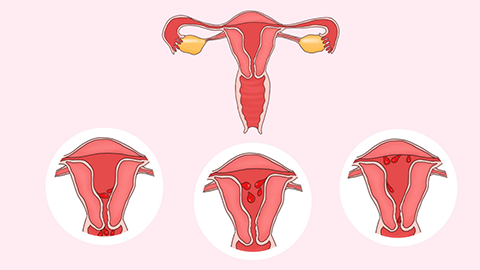
The cervix is one of the most important organs in the female reproductive system, warranting diligent protection. Women should cultivate sound hygiene habits: prolonged moisture and warmth in the genital area create an environment conducive to bacterial proliferation. Neglecting proper hygiene increases susceptibility to pathogenic microorganisms invading the cervix, potentially leading to ascending infections of the reproductive tract. Therefore, gentle cleansing with lukewarm running water is recommended—but excessive or frequent douching should be avoided. Regular gynecological examinations are crucial to detect inflammation early and initiate timely, effective treatment for optimal recovery.
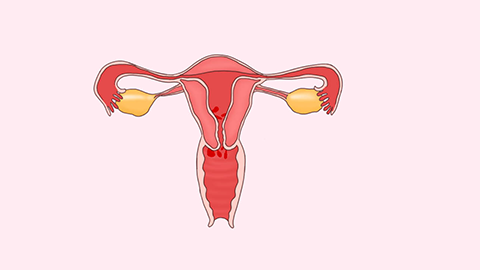
In daily life, maintain a disciplined diet—avoid spicy, irritating foods and overeating, and refrain from staying up late. We hope this information proves helpful.


