


Can quitting smoking lower blood pressure?

Everyone knows that smoking is harmful to health. This is one of the most common causes of lung cancer in clinical practice. Moreover, every cigarette pack carries a warning label stating that “smoking is harmful to health.” Yet, for individuals addicted to smoking, such warnings often go unheeded. Many people struggle to quit smoking—so, can quitting smoking lower blood pressure?
Can quitting smoking lower blood pressure?
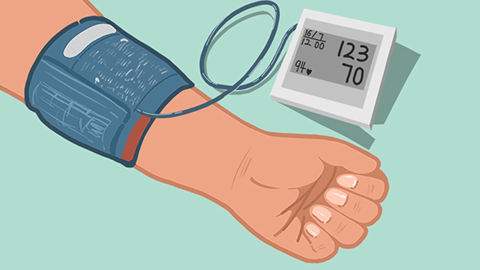
Quitting smoking does offer some benefit in lowering blood pressure. Unhealthy lifestyle habits—especially heavy smoking—can easily lead to elevated blood pressure; therefore, quitting smoking undoubtedly benefits blood pressure control and serves as an adjunctive measure for hypertension management. Heavy smoking damages vascular endothelium, leading to narrowing of the arterial lumen and consequent increases in vascular resistance and blood pressure. Thus, patients with hypertension must quit both smoking and alcohol consumption. However, quitting smoking alone is insufficient to normalize blood pressure. Patients must continue taking antihypertensive medications regularly and at prescribed doses, while also adopting appropriate lifestyle modifications.

Smoking is undoubtedly detrimental to health. Individuals with hypotension should avoid smoking altogether, as hypotension itself predisposes to arterial hardening and associated diseases—including coronary artery disease, cerebral thrombosis, and peripheral vascular disease. Smoking further accelerates arterial hardening and promotes its progression; thus, the combination of smoking and hypotension significantly increases the risk of vascular disease.
In daily life, patients should maintain a positive mental outlook, actively cooperate with their physicians during treatment, take prescribed medications consistently and correctly, and pay close attention to routine self-care—thereby facilitating prompt improvement in their condition. We hope this response has been helpful to you.


