


How to Prevent Atherosclerosis

Atherosclerosis is a cardiovascular disease with a high current prevalence. When severe, it can lead to angina pectoris, myocardial infarction, cerebral thrombosis, cerebral atrophy, and other conditions—significantly impairing patients’ quality of life and shortening life expectancy. Therefore, prevention and treatment in daily life are essential. So, how can atherosclerosis be prevented?
How to Prevent Atherosclerosis
To prevent and treat atherosclerosis, regular physical activity is recommended—but intense exercise should be avoided, as it may increase cardiac workload and pose risks. Suitable activities include walking, health-oriented exercises, and Tai Chi. Pay attention to both the intensity and duration of exercise. More effective preventive strategies include controlling hypertension, hyperlipidemia, and hyperglycemia—that is, managing blood pressure, lipid levels, and blood glucose. Smokers should quit smoking.

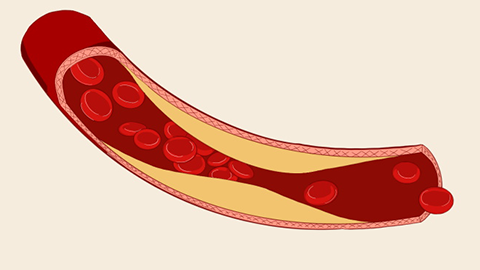
Components in tobacco—especially nicotine—cause significant damage to the vascular wall, predisposing it to injury and subsequent formation of atherosclerotic plaques. Additionally, cholesterol and lipid components can deposit on the injured arterial intima, further promoting plaque development. Hypertension, hyperlipidemia, and hyperglycemia all accelerate the progression of atherosclerosis.
In daily life, maintain a disciplined diet: avoid spicy and irritating foods, and refrain from overeating or binge eating. Also avoid staying up late. We hope this information is helpful to you.


