


Can people with hypertension drink milk?
Aug 24, 2022
Source: Cainiu Health

Dr. Li Man
Introduction
People with hypertension can drink milk. Unless consumed in excessive amounts, milk does not raise blood pressure, as its effect on blood pressure stems from increasing blood volume—yet the small amount of fluid in milk has negligible impact. In contrast, drinking large quantities of water increases blood volume and may elevate blood pressure, as can excessive salt intake. However, milk contains relatively little salt; therefore, it does not raise blood pressure.
Since hypertension is directly linked to dietary habits, daily food choices significantly influence its management. Therefore, individuals diagnosed with hypertension must pay close attention to maintaining a balanced and appropriate diet. It is essential to understand key dietary considerations. So, can people with hypertension drink milk?
Can people with hypertension drink milk?
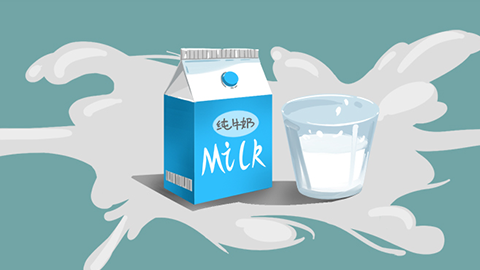
Yes, people with hypertension can drink milk. Unless consumed in excessive amounts, milk does not raise blood pressure. Its effect on blood pressure stems from its potential to increase blood volume; however, the small amount of fluid in a typical serving of milk has negligible impact on blood volume. In contrast, drinking large quantities of water or consuming high-salt foods can elevate blood volume—and thus blood pressure. Since milk contains relatively low levels of sodium, it does not contribute to elevated blood pressure. Furthermore, the proteins and other nutrients in milk do not cause short-term increases in blood pressure. Moderate milk consumption is generally safe for hypertensive patients and unlikely to affect blood pressure. However, whole-fat milk may influence lipid profiles—particularly cholesterol levels—so this should be considered. Milk itself enhances protein absorption, which warrants attention, especially in individuals managing cardiovascular risk.
Individuals with hypertension are encouraged to consume fresh vegetables and fruits, modest portions of dairy products, soy-based foods, and nuts. These foods help increase dietary intake of potassium, calcium, and magnesium—all of which support healthy blood pressure control. Suitable options include bananas, apples, oranges, lemons, celery, spinach, and seaweed. Protein intake should be appropriately increased, while fat intake—especially saturated and trans fats—should be reduced. Salt consumption must be strictly limited, and total caloric intake controlled to prevent obesity. Overweight or obese individuals should adopt dietary modifications combined with regular physical activity to achieve and maintain a healthy weight. Antihypertensive medications should be selected based on the patient’s blood pressure level and any coexisting medical conditions, under the guidance of a healthcare professional.

If hypertension-related symptoms arise, prompt medical evaluation and treatment are essential to prevent disease progression. We hope this information is helpful to you.


