


Is a pillow required for the anterior position of the uterus?

In recent years, the number of patients with cervical spondylosis has been continuously increasing, and the harm caused by this condition must not be underestimated. For individuals suffering from cervical spondylosis, using a comfortable pillow is highly advisable, as it can significantly alleviate symptoms. Then, does a woman with anteverted uterus need to use a pillow?
Does a woman with anteverted uterus need to use a pillow?
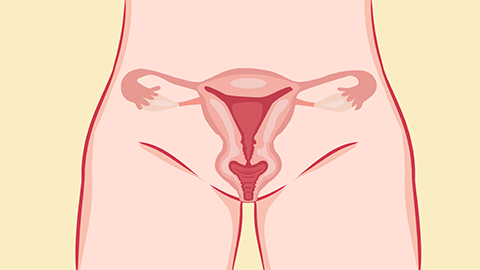
No, a woman with anteverted uterus does not require a pillow. An anteverted uterus refers to a normal anatomical position in which the uterus tilts forward within the pelvic cavity, lying close to the bladder. Clinically, this is termed “anteversion.” During intercourse, sperm can readily travel through the vagina and cervix into the pelvic cavity without requiring any special positioning or pillow support. Anteversion has no adverse effect on normal pregnancy; conception occurs normally via fertilization of the egg by sperm. To maximize the chances of conception, it is recommended to engage in intercourse during the ovulation period.
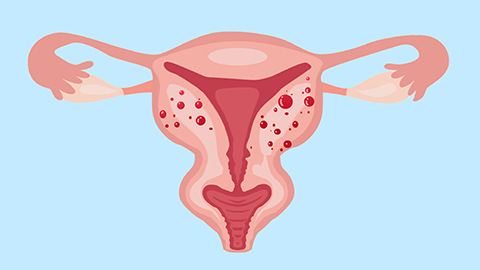
The uterus is the female reproductive organ responsible for fetal development and menstrual bleeding. Regulating endometrial thickness and addressing uterine “coldness” (a traditional concept referring to impaired circulation or metabolic function) play important roles in supporting pregnancy and regulating menstruation. A thin endometrium or failure of fertilization may lead to infertility, scanty menstruation (hypomenorrhea), or menstrual irregularities. In such cases, estrogen replacement therapy—such as estradiol valerate (Progynova®)—is often recommended, typically combined with progesterone. According to Traditional Chinese Medicine (TCM), tonifying the liver and kidneys helps regulate renal function and endocrine balance, thereby improving uterine health.
In daily life, cultivating healthy lifestyle and dietary habits is essential. We hope this information proves helpful to you.


