


Why do menstrual cramps disappear after marriage?

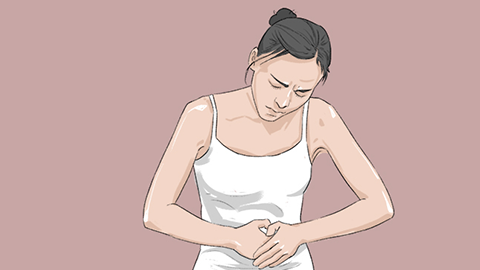
Every girl experiences some discomfort for several days each month. However, some girls suffer severe pain during menstruation, while others feel only mildly unwell. In contrast, many people consider it unusual to have no menstrual pain at all. So why does dysmenorrhea sometimes disappear after marriage?
Why Dysmenorrhea May Disappear After Marriage
This phenomenon may be attributed to hormonal stabilization and improved physical constitution following marriage. Dysmenorrhea has numerous contributing factors, and many women experience significant relief—or even complete resolution—of symptoms after marriage. Prior to marriage, hormonal levels may fluctuate persistently; additionally, inadequate nutrition and general physical weakness can exacerbate menstrual pain. Often, such persistent or severe dysmenorrhea stems from underlying organic gynecological conditions, such as pelvic inflammatory disease, endometriosis, or adenomyosis.

Dysmenorrhea primarily results from elevated prostaglandin levels in the endometrium during menstruation. Excess prostaglandins trigger excessive uterine smooth muscle contraction, vascular spasm, uterine ischemia and hypoxia—all leading to pain. Psychological and neurological factors also influence dysmenorrhea, and subjective pain perception varies according to individual pain thresholds.
In daily life, patients should maintain a positive mindset, actively cooperate with their physicians’ treatment plans, take prescribed medications regularly and in correct dosages, and pay attention to routine self-care—thus facilitating prompt symptom improvement. We hope this information is helpful to you.


