


How to Treat Hypotension with a Blood Pressure Reading of 100

People are paying increasing attention to blood pressure levels, as the incidence of hypertension is currently very high—and trending younger in age. Its onset significantly impacts individuals’ daily life, work, and studies; therefore, proactive prevention is essential. So, how should “hypertension with a diastolic pressure of 100 mmHg” be treated?
How to Treat Hypertension with a Diastolic Pressure of 100 mmHg
Treatment for hypertension with a diastolic pressure of 100 mmHg must be individualized based on the patient’s clinical condition. A diastolic pressure of 100 mmHg indicates Stage 2 hypertension. If the patient has no evidence of target-organ damage or serious complications, lifestyle modifications—including dietary control and moderate physical exercise—are recommended, followed by one month of close observation. Should blood pressure remain persistently elevated beyond acceptable thresholds, antihypertensive pharmacotherapy should be initiated to protect target organs and prevent complications. Commonly used antihypertensive agents in clinical practice include angiotensin-converting enzyme (ACE) inhibitors, angiotensin II receptor blockers (ARBs), and beta-blockers. All antihypertensive medications must be prescribed and monitored under physician supervision, alongside comprehensive lifestyle interventions.

Patients with hypertension characterized by a diastolic pressure of 100 mmHg may also benefit from moderately increasing intake of cholesterol-rich foods—such as animal brain, liver, egg yolk, butter, and fish roe—as these may help alleviate certain symptoms associated with hypertension. Additionally, moderate consumption of longan fruit, cherries, dried peaches, and plums is also advisable.
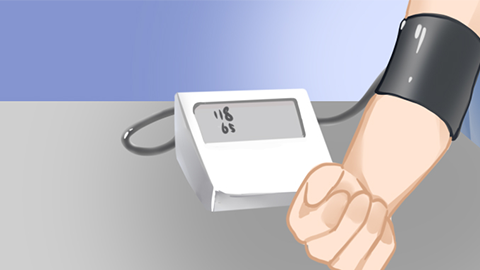
In daily life, patients should maintain a positive mental outlook, actively cooperate with their physicians during treatment, take prescribed medications consistently and correctly, and adhere to appropriate self-care practices—thereby facilitating prompt improvement in clinical status. We hope this information proves helpful to you.


