


What Are the Symptoms of Emphysema?

Emphysema is a pulmonary disease that currently affects many individuals. When it occurs, it causes significant damage to the lungs, thereby inflicting considerable suffering on affected individuals. Therefore, it is essential for people to recognize the symptoms of emphysema to facilitate early detection and timely intervention. So, what are the symptoms of emphysema?
What Are the Symptoms of Emphysema?
Emphysema may cause symptoms such as coughing, sputum production, and dyspnea (shortness of breath). In infants, anti-inflammatory medications—such as azithromycin granules, pediatric Kechuanling granules, and pediatric cough syrup—may be used; however, intravenous anti-inflammatory therapy is generally preferred. Impaired pulmonary ventilation and gas exchange frequently lead to hypoxia, resulting in cyanosis of the lips and fingernails, and may also cause clubbing of the fingers. As the condition worsens, respiratory failure may develop.
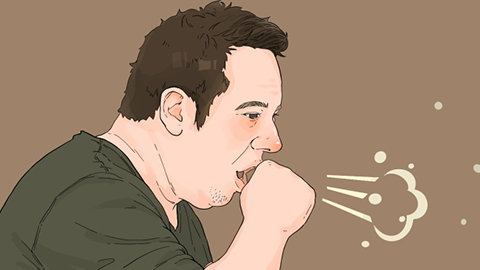
Individuals diagnosed with early-stage emphysema should seek medical attention promptly upon noticing symptoms. Active identification and elimination of underlying causes—as well as treatment of associated conditions such as chronic bronchitis or other diseases contributing to emphysema—are crucial. Complementary measures—including practicing abdominal deep-breathing exercises and enhancing overall immunity—are highly effective in both preventing disease progression and managing emphysema.
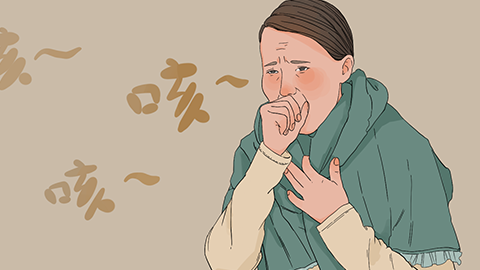
Additionally, aromatherapy, steam inhalation, and yoga may offer supportive benefits. For severe cases, home oxygen therapy using portable oxygen devices is recommended both for emergency use and ongoing home-based management. We hope this information proves helpful to you.


