


Can cervical bleeding heal on its own?

The cervix is a vital component of the female body and forms the lower part of the uterus. Clinically, numerous cervical disorders significantly impact women’s health; thus, daily cervical care is critically important, as it directly affects female reproductive function. So, can cervical bleeding resolve spontaneously?
Can cervical bleeding resolve spontaneously?
Cervical bleeding may resolve spontaneously. When pathogenic microorganisms invade the cervix, they trigger inflammatory changes in the cervical mucosa and underlying connective tissue, leading to local cervical hyperemia (increased blood flow), edema, mucosal surface erosion, capillary rupture, and subsequent bleeding. Alternatively, chronic inflammation may stimulate abnormal proliferation of granulation-like tissue at the site, resulting in polypoid changes accompanied by bleeding. Severe ectropion—where columnar epithelium extends extensively onto the ectocervix—may manifest as severe erosion-like changes and cause baseline (chronic or low-grade) bleeding.
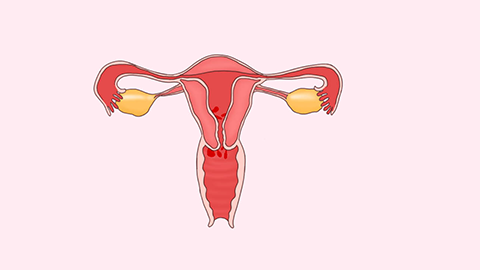
If the injured area is relatively small, spontaneous healing may occur, as the body’s intrinsic coagulation mechanisms are activated to halt bleeding. However, if the injury is more extensive, spontaneous resolution is unlikely, and medical intervention is typically required to achieve hemostasis. For example, local hemostasis can be achieved by applying gauze pressure or administering hemostatic medications, both of which can rapidly control bleeding. During wound management, infection prevention and maintenance of external genital hygiene are also strongly recommended. While the wound remains unhealed, sitting baths should be avoided; only showers are permitted to prevent bathwater from entering the vagina and causing localized wound infection—this warrants special attention.
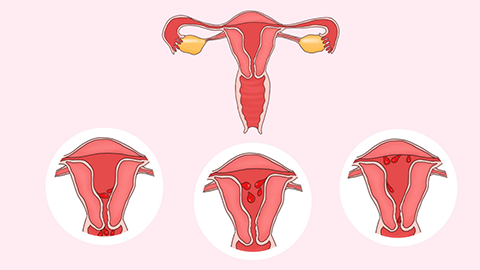
In daily life, maintain a regular, balanced diet—avoid spicy, irritating foods and overeating, and refrain from staying up late. We hope this information proves helpful.


