


What Are the Best Foods to Eat for Low Blood Pressure?
Aug 24, 2022
Source: Cainiu Health

Dr. Li Man
Introduction
For individuals with hypotension, consuming cherries, apples, and other iron-rich foods is highly recommended. Hypotension is often associated with iron deficiency in the body; therefore, increasing dietary iron intake is beneficial. Cherries contain substantial amounts of iron—more than apples—and regular consumption can help elevate hemoglobin levels, enhance metabolic function, and support anti-aging processes. For patients with hypotension, this may help alleviate associated symptoms.
High blood pressure is harmful to the body, but low blood pressure (hypotension) can also adversely affect health. Individuals with hypotension commonly experience symptoms such as dizziness and generalized weakness in the limbs. They often feel fatigued and lethargic in daily life—significantly impairing their normal functioning. When physical discomfort arises, timely adjustments are essential. So, what foods are most beneficial for individuals with low blood pressure?
What Foods Are Best for Low Blood Pressure?
Cherries and apples are among the best food choices for individuals with low blood pressure. Hypotension is frequently associated with iron deficiency; therefore, consuming iron-rich foods is highly recommended. Cherries contain substantial amounts of iron—even more than apples. Regular consumption of cherries helps increase hemoglobin levels, enhances metabolic function, and supports anti-aging processes. For those with low blood pressure, cherries may help alleviate associated symptoms. Apples, widely regarded as a favorite fruit, are rich in potassium, which promotes sodium excretion from the body. Additionally, apples contain significant amounts of iron and phosphorus—nutrients that help calm the nervous system and support blood production. Regular apple intake can assist in raising blood pressure toward a normal range.
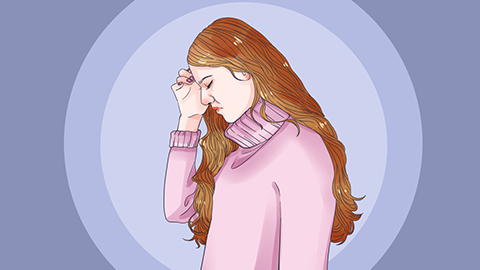
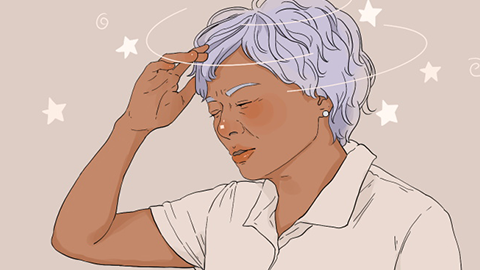
Hypotension is often accompanied by symptoms such as fatigue and dizziness. Due to low blood pressure, affected individuals typically feel sluggish and weak in their limbs upon waking in the morning. Although brief naps may offer temporary relief, fatigue and profound weakness frequently return after work in the afternoon or evening. Dizziness is not exclusive to hypertension—it is also common in hypotension, especially following mental exertion, when headaches and dizziness may occur more readily. Some individuals may even experience transient visual darkening (blacking out), and in severe cases, syncope (fainting). This phenomenon is particularly pronounced when transitioning from a squatting position to standing upright.
In daily life, it is important to ensure adequate intake of diverse nutrients to maintain overall nutritional balance. Avoid selective or restrictive eating habits, and incorporate regular physical activity into your routine. We hope this information proves helpful to you.


