


Causes of Orthostatic Hypotension
Aug 24, 2022
Source: Cainiu Health

Dr. Li Man
Introduction
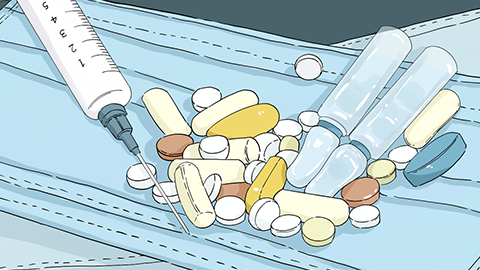
Orthostatic hypotension can result from cardiac disorders, medication effects, or malnutrition due to prolonged bed rest. The most common cardiac cause is heart failure, which impairs and weakens the heart’s pumping function, leading to a progressive reduction in cardiac output and consequently causing hypotension. Additionally, numerous medications can induce vasodilation and lower blood pressure.
Orthostatic hypotension arises from multiple causes. Hypotension can harm human health and even pose a serious threat to it. Moreover, it may contribute to the development of certain diseases. Therefore, this condition should be addressed promptly in daily life to prevent long-term adverse effects. So, what are the causes of orthostatic hypotension?
Causes of Orthostatic Hypotension
Orthostatic hypotension may result from cardiac disorders, medication side effects, or malnutrition due to prolonged bed rest. The most common cardiac cause is heart failure: impaired cardiac pump function reduces cardiac output progressively, leading to hypotension. Many medications induce vasodilation and lower blood pressure, thereby triggering orthostatic hypotension. Patients confined to bed often experience reduced physical activity and diminished appetite, resulting in inadequate food intake, malnutrition, hypoglycemia, and ultimately orthostatic hypotension.
Patients should pay close attention to managing orthostatic hypotension in daily life. For instance, they should avoid prolonged bed rest or standing still for extended periods. When changing positions, movements must be slow and deliberate—for example, transitioning gradually from lying to sitting, and then from sitting to standing. Meals should be moderate in size, and patients should engage in gentle, slow-motion exercises regularly. Additionally, severe or persistent coughing increases intrathoracic pressure, which may also precipitate orthostatic hypotension; thus, such episodes should be minimized whenever possible.
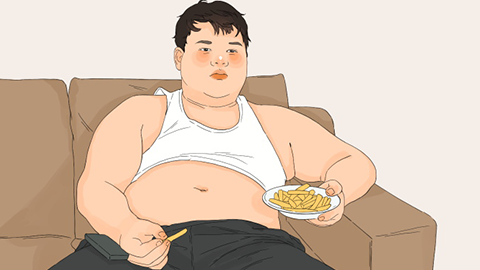
Patients should maintain a balanced diet to ensure adequate nutrition, avoiding both overeating and fasting, and should abstain from alcohol consumption. We hope this information proves helpful to you.


