


Why does the cervix bleed upon contact?

Many gynecological conditions in women are first noticed during sexual intercourse. Therefore, women of childbearing age are encouraged to perform self-assessment, articulate their symptoms, and seek prompt medical treatment—thereby alleviating discomfort and fostering a more harmonious marital life. Some women experience vaginal bleeding upon even light contact with the cervix. What causes this “cervical contact bleeding”?
What Causes Cervical Contact Bleeding?
Cervical contact bleeding is often closely associated with cervical inflammation (cervicitis). Cervicitis is a common gynecological condition; however, recurrent postcoital bleeding warrants timely medical evaluation. Initially, a cervical cytology test (e.g., Pap smear) should be performed to assess for significant cellular abnormalities. Subsequently, HPV testing is recommended. Based on the screening results, your physician may prescribe pharmacologic or physical therapies.

Cervical contact bleeding is frequently linked to cervical inflammation and carries a relatively high likelihood of underlying pathological changes. It is essential to evaluate whether cervical polyps or cysts might be contributing to this symptom—such lesions can be confirmed via colposcopy. Additionally, monitor for other clinical signs, such as increased vaginal discharge (leukorrhea), abdominal pain, or other abnormalities potentially resulting from chronic cervicitis or other gynecological infections.
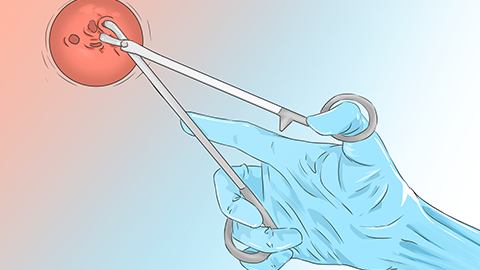
We recommend that all women undergo annual cervical cancer screening. If symptoms are severe, prompt medical consultation is essential for accurate diagnosis and targeted treatment under professional guidance. We hope this information proves helpful to you.


