


What is asthma? Is it a serious condition?

Asthma is a common condition encountered in daily life, causing significant distress to affected individuals. It not only creates inconveniences in everyday living but also substantially impairs performance at work and school. Therefore, timely treatment is essential once symptoms appear. However, many people lack adequate understanding of this condition. So, what exactly is asthma—and is it a serious disease?
What is asthma—and how serious is it?
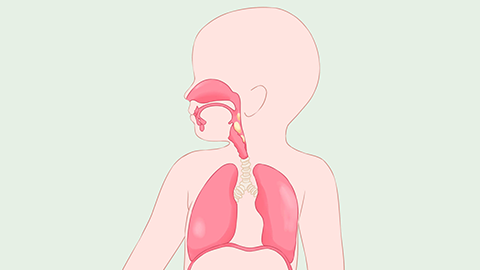
Asthma is a respiratory disorder that is generally not life-threatening. It is primarily characterized by chronic airway inflammation involving multiple cell types—most commonly eosinophils, lymphocytes, neutrophils, and airway epithelial cells. This chronic inflammation is closely associated with airway hypersensitivity (allergy), and typically manifests as a series of reversible airflow limitations, resulting in recurrent episodes of wheezing, shortness of breath, chest tightness, and coughing. Asthma is classified as a hyperresponsive airway disease; most cases are triggered by exposure to allergens or by upper respiratory infections (e.g., the common cold), leading to allergic asthma. Such triggers can provoke bronchospasm and impair breathing, causing dyspnea.
Rooms should be ventilated regularly to expel stale air and allow fresh air to circulate. Bedding should be washed and sun-dried frequently, while carpets and upholstered furniture (e.g., sofas) should be vacuumed regularly. Patients should maintain a nutritious diet rich in protein, vitamins, and trace elements—incorporating lean meats, eggs, soy products, fruits, nuts, and fresh vegetables on a weekly basis. Households with pets exhibit a higher incidence of asthma; thus, patients with pets should minimize contact with them to reduce asthma exacerbations.
In daily life, cultivating healthy lifestyle and dietary habits is essential. We hope this information proves helpful to you.


