


What Are the Symptoms of Asthma?

Although asthma is a chronic condition, many patients experience rapid disease onset, leading to significant health risks. As patients age, the disease tends to worsen progressively. To facilitate earlier detection—and thereby enable timely treatment and recovery—it is essential to recognize its characteristic symptoms. So, what are the symptoms of asthma?
What Are the Symptoms of Asthma?
Asthma symptoms include nasal congestion, sneezing, and eye inflammation. Bronchial asthma results from intense contraction of bronchial smooth muscle triggered by inhalation of allergenic particles. The fundamental cause of an asthma attack is the inhalation of such allergens, with seasonal pollen allergy being the most common. Therefore, patients should wear high-efficiency protective masks during allergy seasons to minimize allergen exposure. Additionally, initiating regular inhaled corticosteroid therapy before the onset of allergy season can help reduce airway hyperresponsiveness. As advised by physicians, appropriate oral leukotriene receptor antagonists—such as montelukast—may also be prescribed.
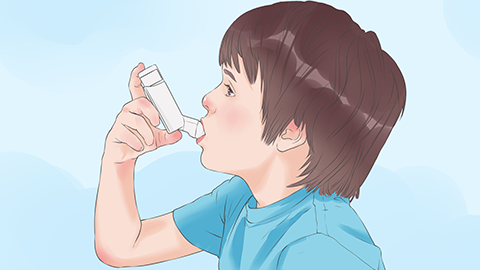
Patients should maintain warmth and prevent colds, as individuals with asthma are particularly susceptible to upper respiratory infections. Colds or viral respiratory infections may precipitate asthma exacerbations; thus, staying warm and avoiding infection is crucial. Living spaces should be kept clean and well-ventilated, with humidity levels controlled to prevent excess moisture—which can trigger asthma attacks. Adequate hydration and calcium intake are also important: calcium supports skeletal growth and development as well as modulates allergic responses. Consequently, asthma patients are encouraged to consume calcium-rich foods.
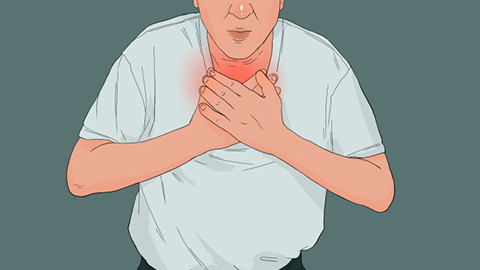
In daily life, cultivating healthy lifestyle and dietary habits is vital. We hope this information proves helpful to you.


