


Can you still get tuberculosis after receiving the BCG vaccine?

In daily life, pulmonary tuberculosis is a common lung disease, with clinical symptoms including low-grade fever, fatigue, coughing, and others. Patients with mild disease can recover fully after treatment; however, severe cases may become life-threatening. Therefore, special attention must be paid to prevention. So, can one still develop pulmonary tuberculosis after receiving the Bacillus Calmette–Guérin (BCG) vaccine?
Can one still develop pulmonary tuberculosis after receiving the BCG vaccine?
Yes, it is still possible to develop pulmonary tuberculosis after receiving the BCG vaccine. Over time, the protective effect of the BCG vaccine gradually wanes. The effective protection period conferred by BCG vaccination is approximately 5–6 years, and its protective effect typically disappears entirely after about 10 years. Consequently, individuals beyond this protective age window essentially lose the preventive benefit against tuberculosis—even if they received the BCG vaccine during infancy. Importantly, BCG vaccination is not the most critical measure for preventing tuberculosis. To avoid tuberculosis infection, the most essential step is minimizing contact with individuals who have active tuberculosis and thereby reducing exposure risk. Although BCG vaccination cannot completely prevent tuberculosis, this does not render it useless. In fact, BCG vaccination remains an important and necessary component of tuberculosis prevention strategies.
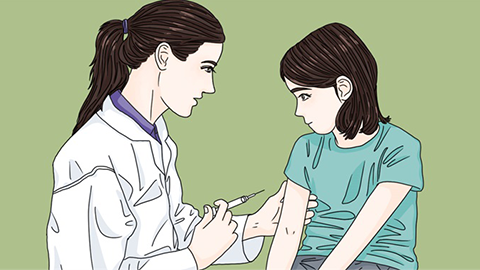
Strictly speaking, tuberculosis infection remains possible even after BCG vaccination. Clinically, BCG vaccination effectively prevents severe forms of tuberculosis in infants and young children—such as tuberculous meningitis—but it does not provide complete protection against other forms, including pulmonary tuberculosis and tuberculous lymphadenitis. Nevertheless, it does reduce the likelihood of developing pulmonary tuberculosis. The protective effect of BCG generally diminishes by adulthood. Moreover, tuberculosis incidence is closely linked to compromised immune function. Thus, tuberculosis infection can still occur following BCG vaccination.
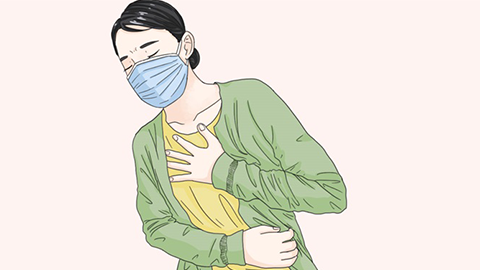
Pulmonary tuberculosis is an infectious disease caused by Mycobacterium tuberculosis invading the lungs. Therefore, tuberculosis prevention primarily involves avoiding exposure to infectious sources, interrupting transmission routes, and practicing appropriate self-protection measures. We hope this information proves helpful to you.


