


How does emphysema develop?

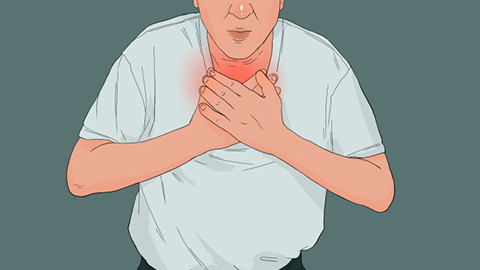
The primary symptom of emphysema is coughing—especially at night. Additionally, some patients may also experience coughing, sputum production, or fever. Emphysema is a chronic condition; treatment becomes increasingly difficult in its advanced stages. So, how does emphysema develop?
How Does Emphysema Develop?
Emphysema may be caused by smoking. Smoking is one of the main contributing factors to emphysema development: components in cigarette smoke can induce abnormal changes in the epithelial cells of the tracheal mucosa and damage the local bronchial structure, thereby triggering bronchospasm and increasing airway resistance. Over time, these pathological changes gradually lead to emphysema. Although this is a long-term process, emphysema can be prevented by maintaining a healthy lifestyle and good daily habits. Therefore, it is essential to limit smoking—or better yet, quit entirely.
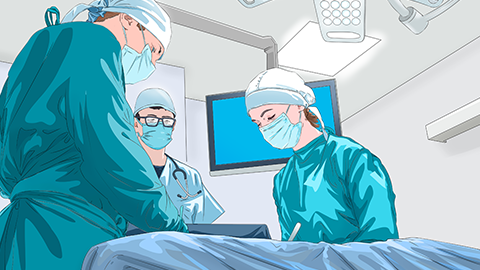
Emphysema can be treated surgically. For patients with severe emphysema, lung volume reduction surgery (LVRS) is an effective option. This procedure involves removing portions of overinflated lung tissue to reduce overall lung volume and enhance pulmonary elastic recoil. Surgical intervention remains the only proven effective treatment for end-stage emphysema.
Patients are advised to rest adequately, avoid colds, and minimize the risk of respiratory infections to prevent disease recurrence. We hope this information has been helpful.


