


How to Determine If You Have Asthma

Asthma is primarily caused by inflammation of the bronchial airways, a chronic condition that leads to recurrent episodes of airway symptoms. Coughing often worsens at night or in the early morning, and severe chest tightness may sometimes occur. So how can one determine whether they have asthma?
How to Diagnose Asthma
Diagnosis of asthma relies on a combination of medical history, clinical presentation, and supportive diagnostic tests. Most patients have a history of exposure to allergens—such as pollen, cold air, grass pollen, house-dust mites, or mold. Clinically, after allergen exposure, patients typically experience sudden onset of shortness of breath, wheezing, coughing, chest tightness, and respiratory distress. On auscultation, widespread expiratory wheezes are heard bilaterally over the lungs.

Asthma is closely associated with impaired immune function; therefore, strengthening overall physical fitness—and engaging in regular exercise—is essential to improve adaptability across seasonal changes. Additionally, patients should maintain a balanced routine with adequate sleep to reduce the frequency of asthma exacerbations. During autumn and winter, when temperature fluctuations are pronounced, patients must stay warm and avoid prematurely reducing clothing layers, as common colds may trigger or worsen asthma symptoms. Rooms should be ventilated regularly to remove stale air and allow fresh air to circulate.
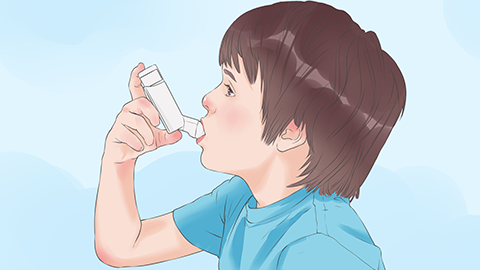
In daily life, patients should follow a disciplined diet—avoiding spicy, irritating foods and refraining from overeating or staying up late. We hope this information proves helpful.


