


Why does emphysema occur?

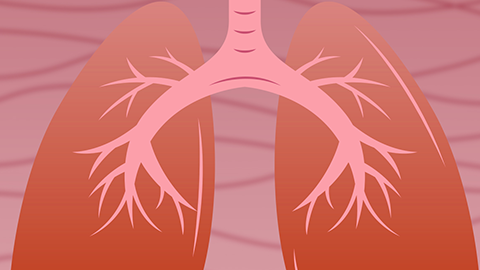
Emphysema refers to abnormal, irreversible overinflation of the distal airways—specifically the respiratory bronchioles and alveoli—resulting in structural damage to parts of the airway. In fact, emphysema encompasses several distinct types, each associated with different clinical manifestations. So, what causes emphysema?
Causes of Emphysema
Emphysema may result from smoking, air pollution, and other environmental exposures. Smoking is one of the primary causes: components of tobacco smoke induce pathological changes in tracheobronchial mucosal epithelial cells and damage local bronchial architecture, leading to bronchospasm and increased airway resistance. Additionally, air pollution—including occupational exposure to dusts and chemical agents—can harm the lungs and contribute to emphysema development. These irritants predispose individuals to recurrent respiratory tract infections, which in turn may trigger or exacerbate emphysema. Therefore, when visiting areas with severe environmental pollution, wearing a protective mask and performing timely oral hygiene are strongly recommended.

The most significant genetic factor is alpha-1 antitrypsin deficiency—a hereditary condition in which insufficient levels of this protective protease inhibitor lead to unchecked enzymatic destruction of lung tissue, thereby promoting emphysema development. Moreover, certain airway-hypersensitive conditions—such as bronchial asthma—may also progress to irreversible emphysematous changes over time. When such comorbidities are present, active and coordinated treatment is essential to achieve disease stabilization, improvement, or even complete remission.
In daily life, maintaining a regular, balanced diet is crucial. Avoid spicy, irritating, or overly rich foods; refrain from binge eating; and ensure adequate sleep by avoiding late-night activities. We hope this information proves helpful.


